
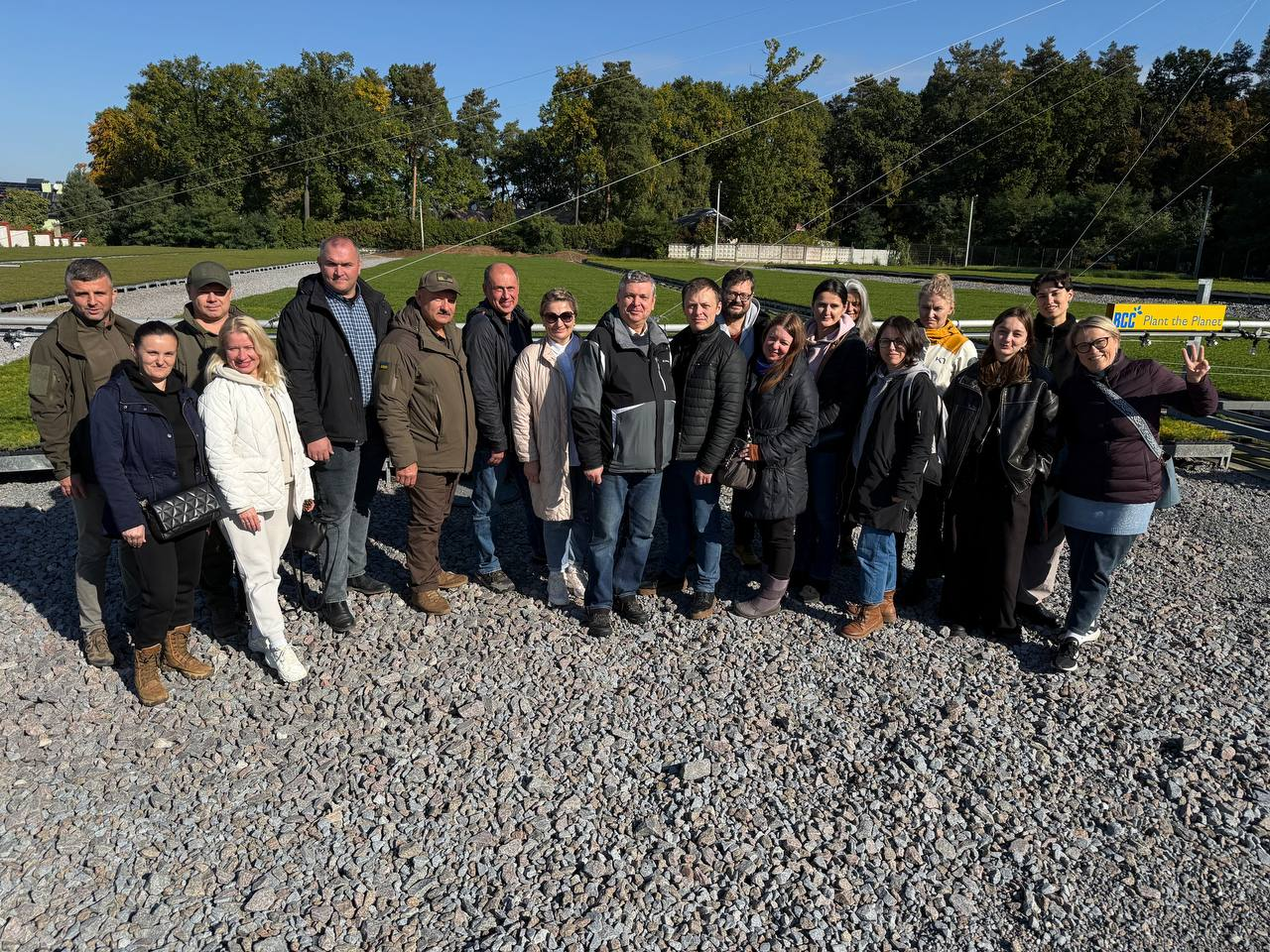
At the invitation of FSC Ukraina, Kateryna Pylypchuk, strategist at Modulina Straw Panels, joined the two-day study tour “Low-Carbon Construction: Forest Tour” in Lviv region — a journey that offered not just new knowledge, but a deeper understanding of how forests, industry, and human resilience are intertwined.
→ Forest Stewardship Council (FSC)
In just two days, the study tour revealed how deeply connected our buildings are to the forests they come from.
Day 1 — Entering the Living System of the Forest
For most of us, a forest is a place of rest or inspiration — a peaceful green backdrop to our lives.
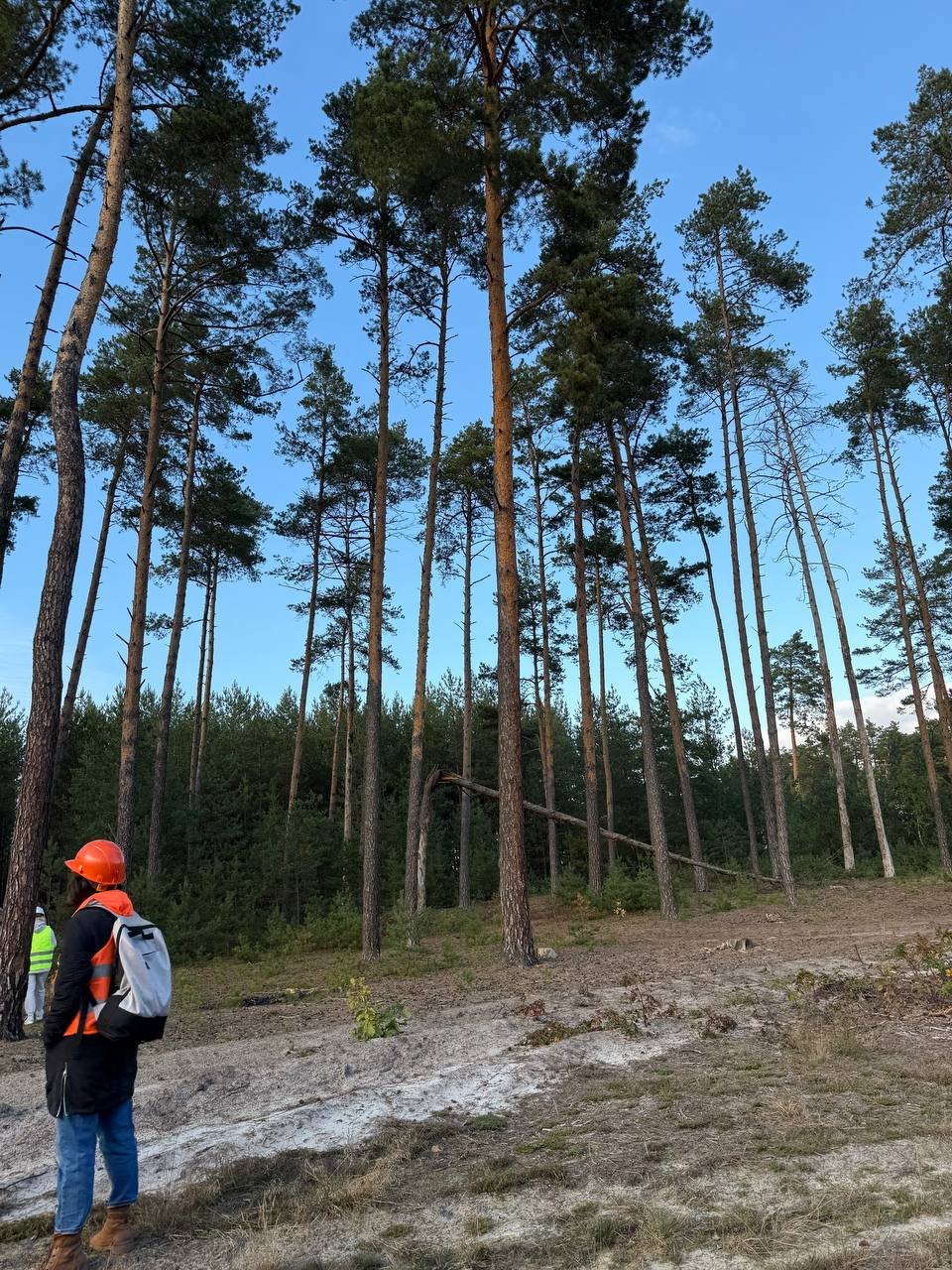
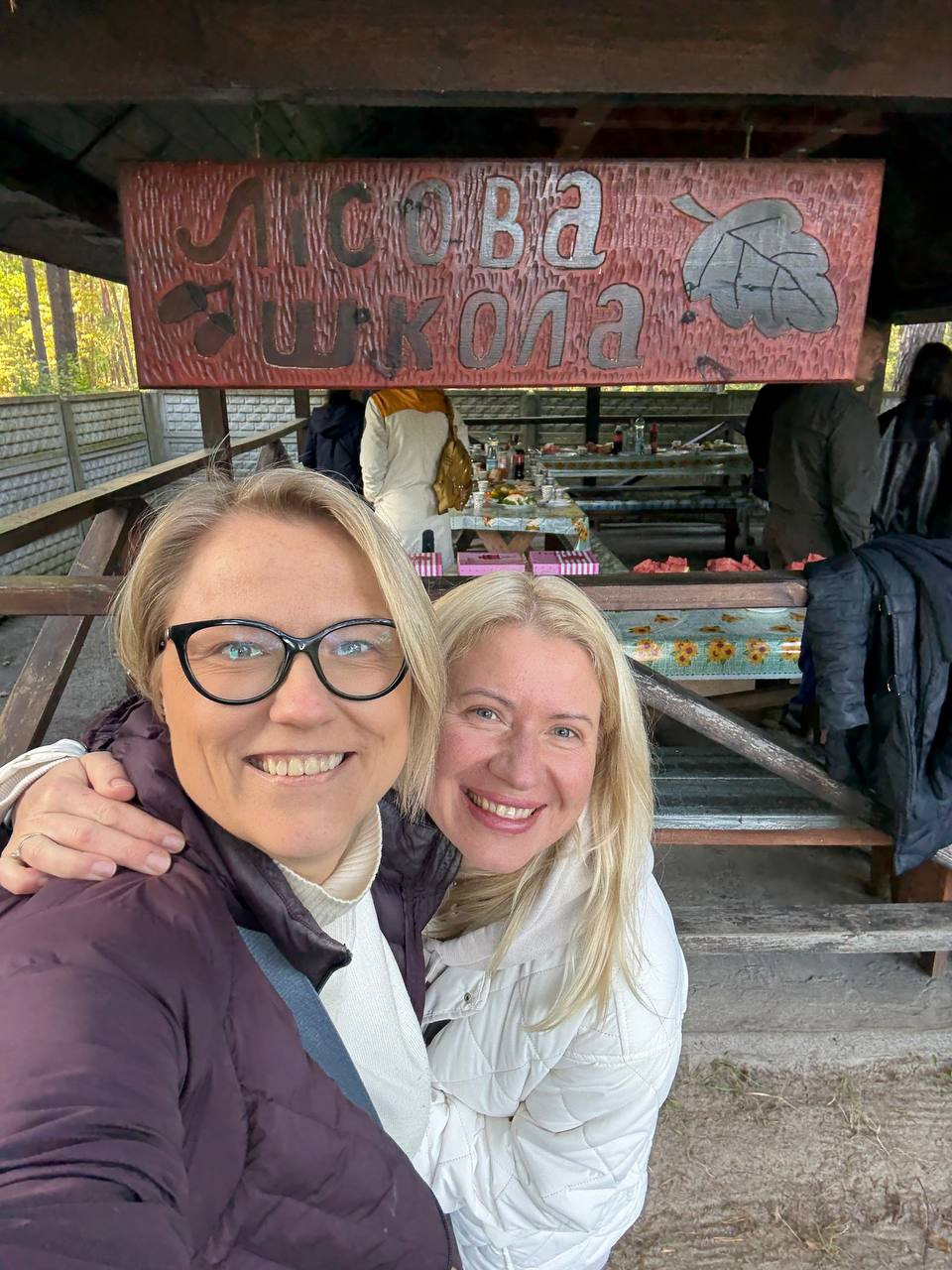
But during the first day of the tour, Kateryna and the participants discovered that the forest is, in fact, a complex living organism — a system where every tree, moss, and insect plays a vital role.
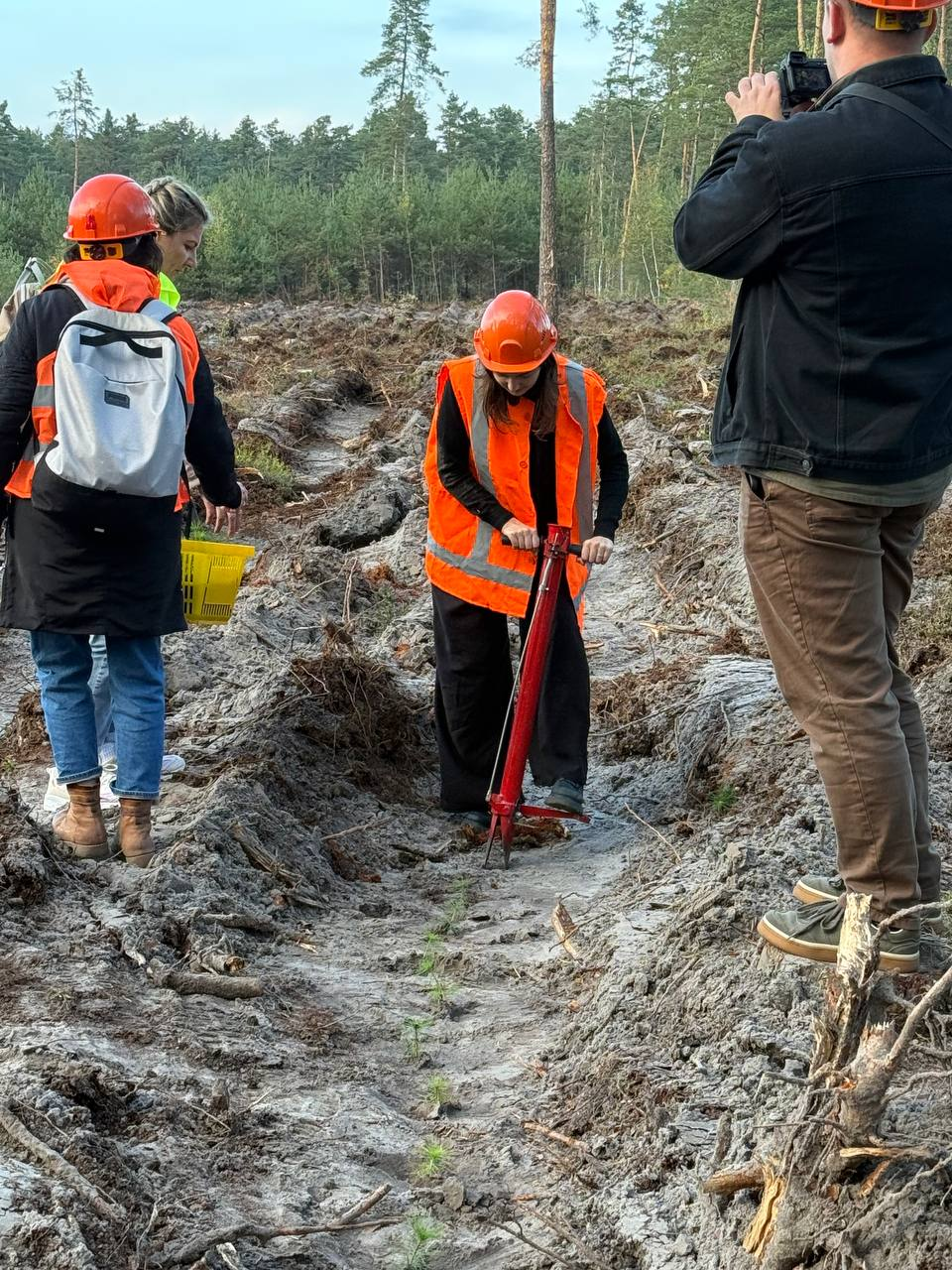
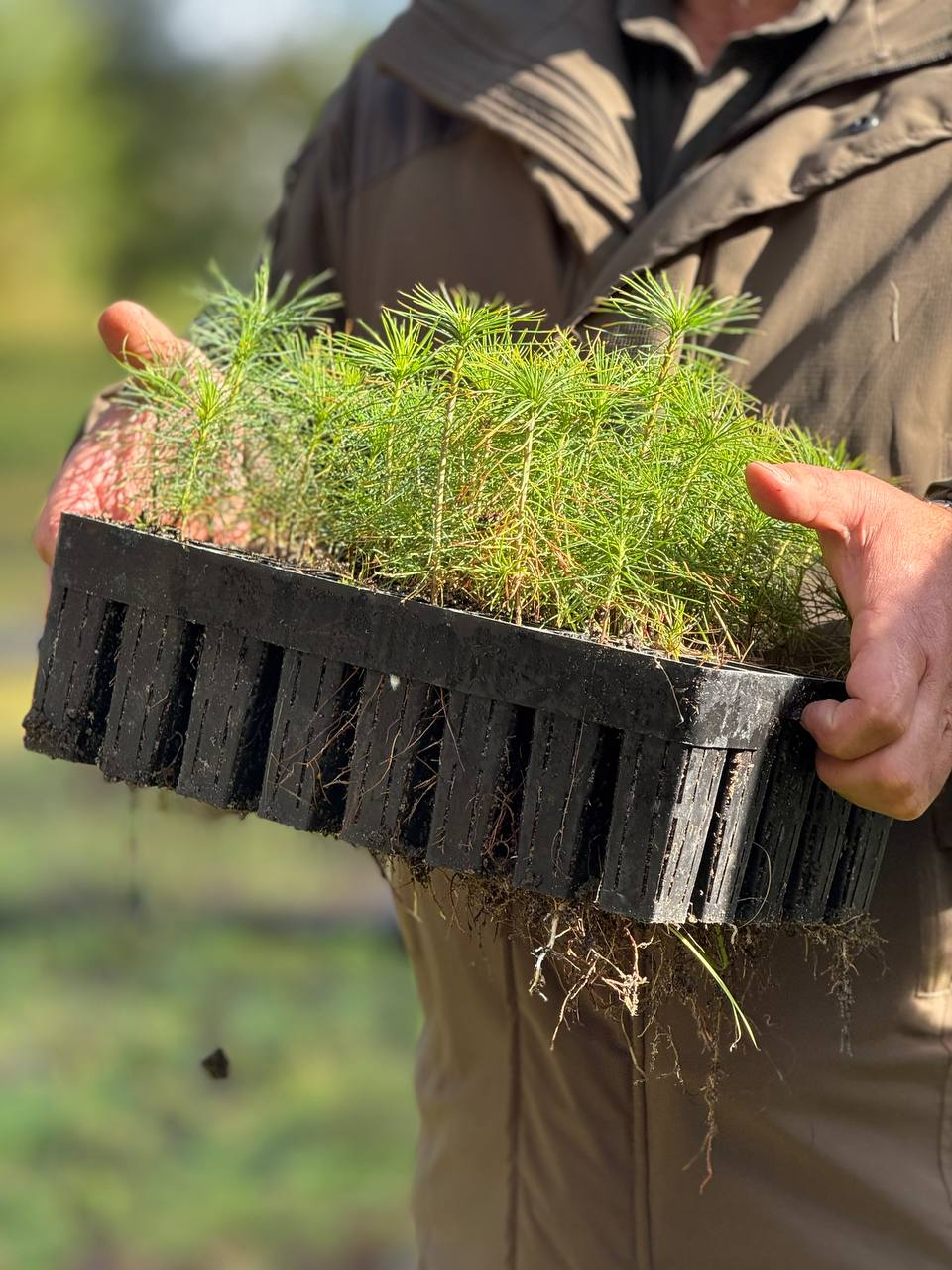
They visited the Lviv Forestry Management Unit, where the team of foresters, deeply devoted to their work, revealed the entire life cycle of the forest: from the moment a cone is collected, to the extraction of seeds, germination in trays, and finally, planting young seedlings in the soil.
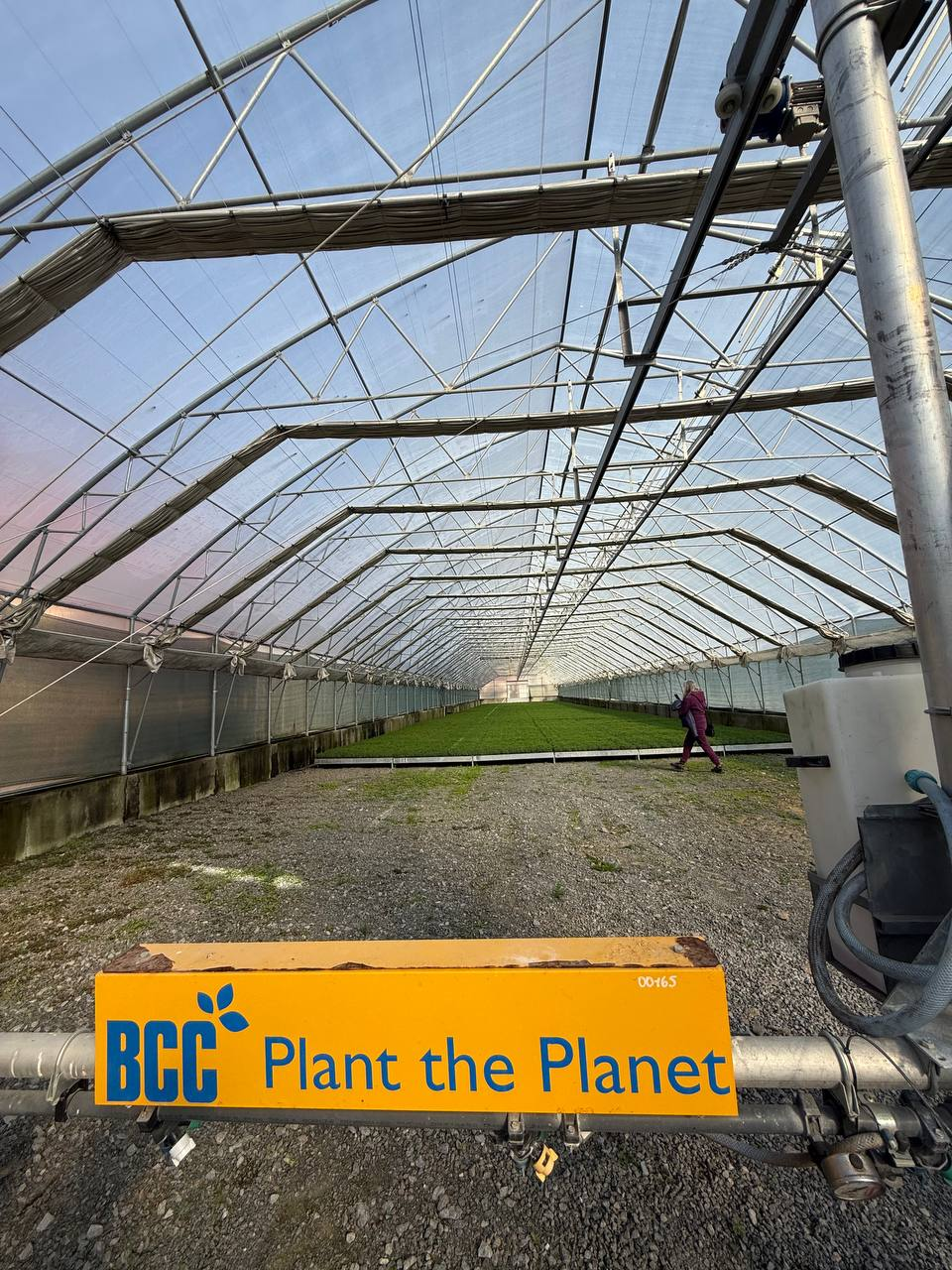
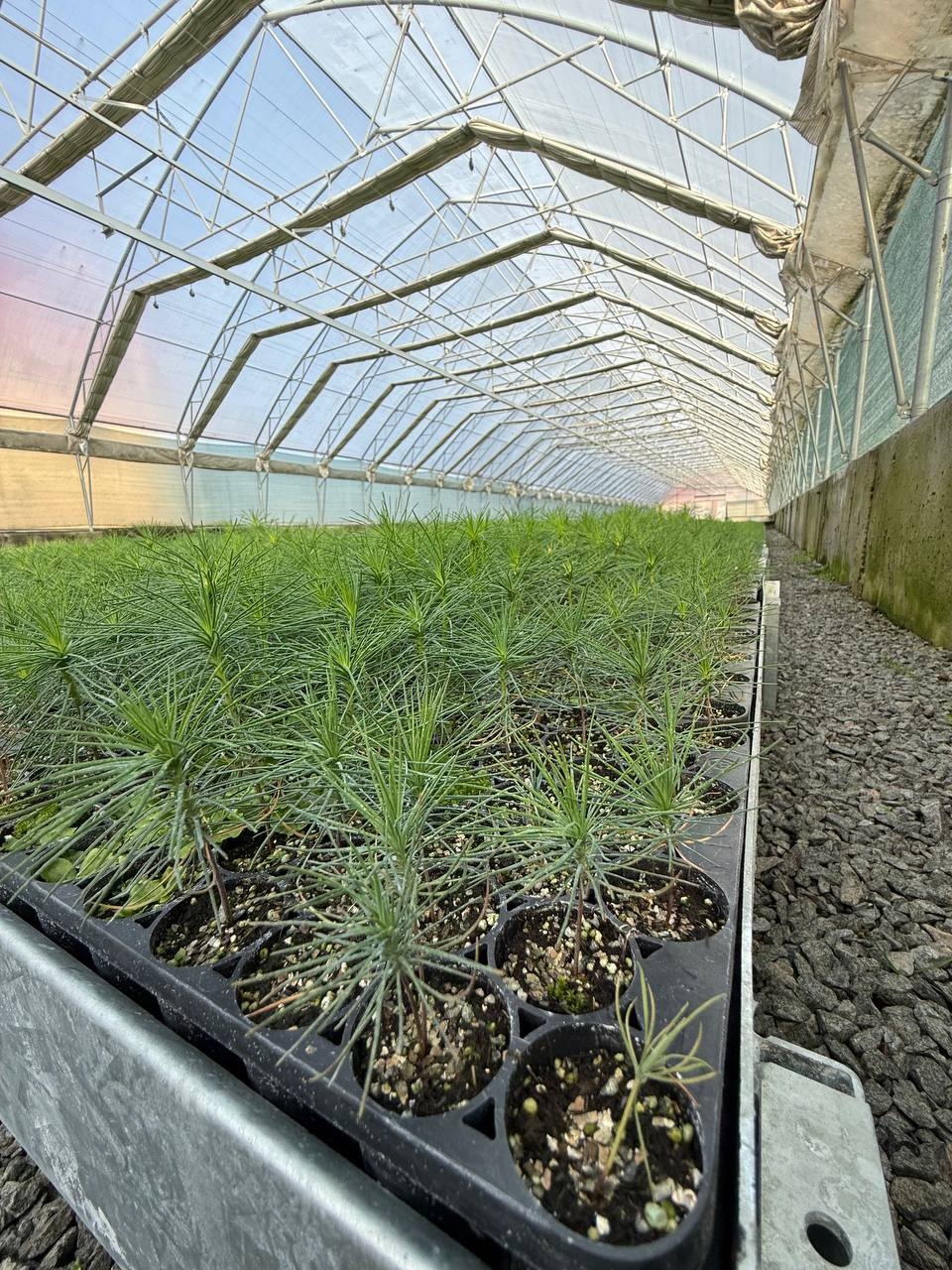
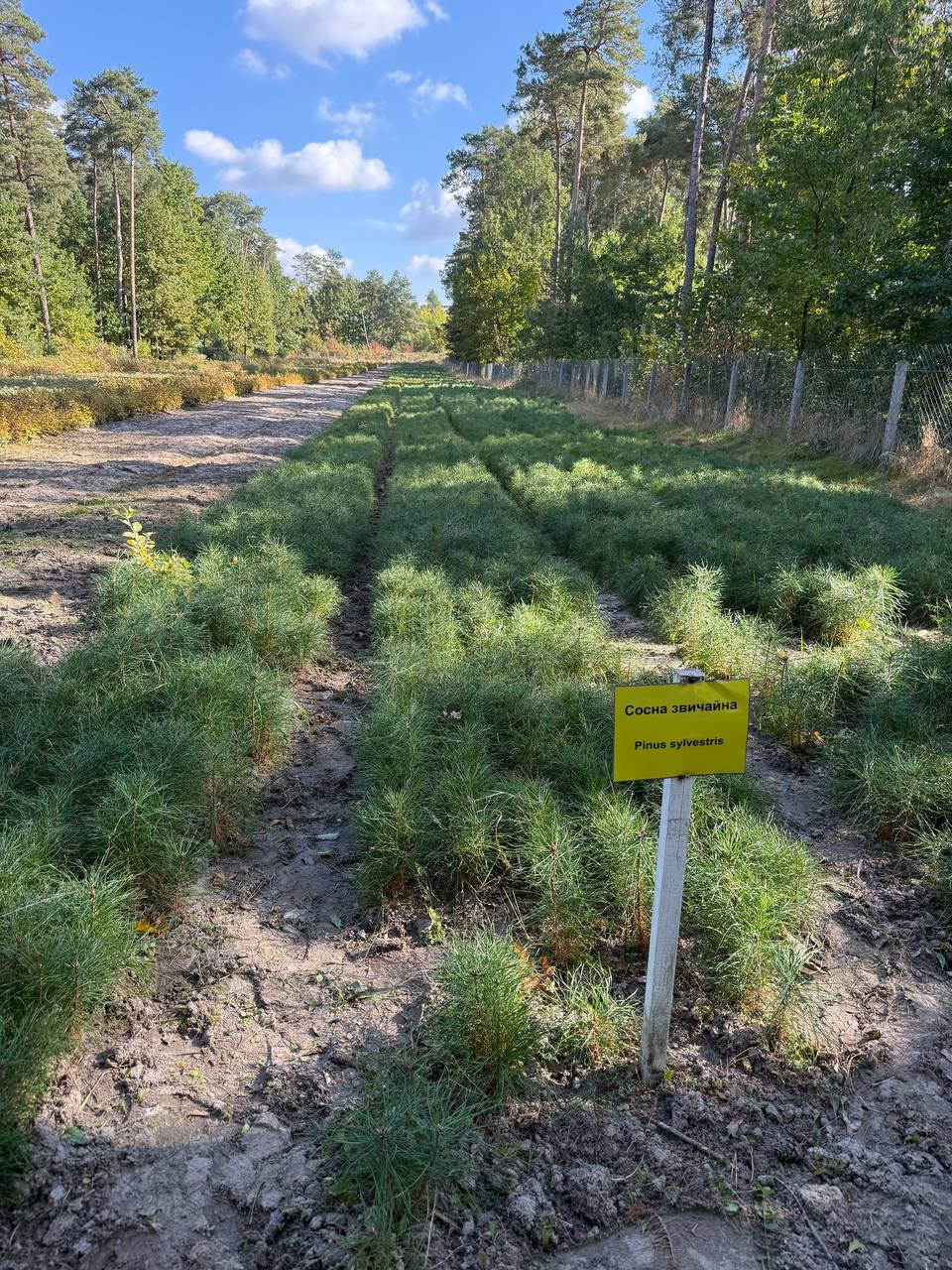
Kateryna was particularly moved by the process of planting — when each participant could place a small tree into the ground using a special tool that opens the soil and lets the seedling fall perfectly into its new home.
That moment became a metaphor for her:
Just as we plant young trees with care, we can plant knowledge — already sprouted, living, ready to take root.
“This tour felt like receiving a ready-to-grow seed of understanding — a minimal viable product of a full cycle of knowledge about forestry,” she later reflected.
Throughout the day, the group learned how FSC certification ensures that wood originates from responsibly managed forests — balancing environmental, social, and economic values.
They saw what exemplary certified forestry looks like in practice and realized how much work, science, and love lies behind every responsibly grown tree.
“It was the day we didn’t just learn about the forest — we felt its heartbeat,” Kateryna said.
Day 2 — From the Forest to the Building
The second day of the FSC Ukraine tour focused on the next chapter of the story — how responsibly harvested wood becomes part of low-carbon construction.
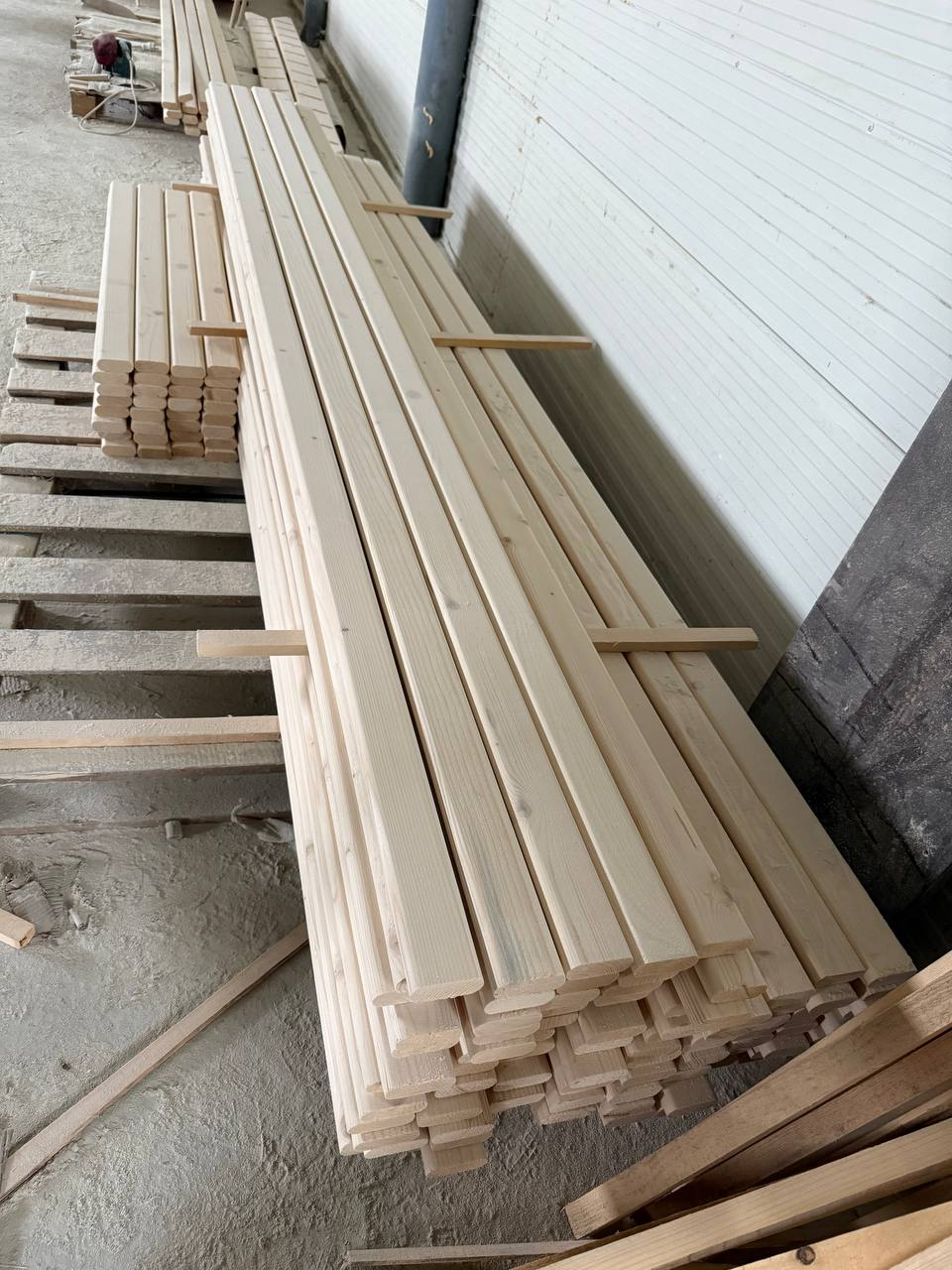
The first stop was Oktavia Wood, a woodworking company in the Lviv region producing stairs, ladders, and doors from Carpathian spruce and beech. The enterprise exemplifies how traditional craftsmanship can evolve into a sustainable, export-oriented business that minimizes waste and meets FSC standards.
For Kateryna, this visit bridged theory with practice — showing how the chain “forest → production → building” can be efficient, ecological, and economically viable at the same time.
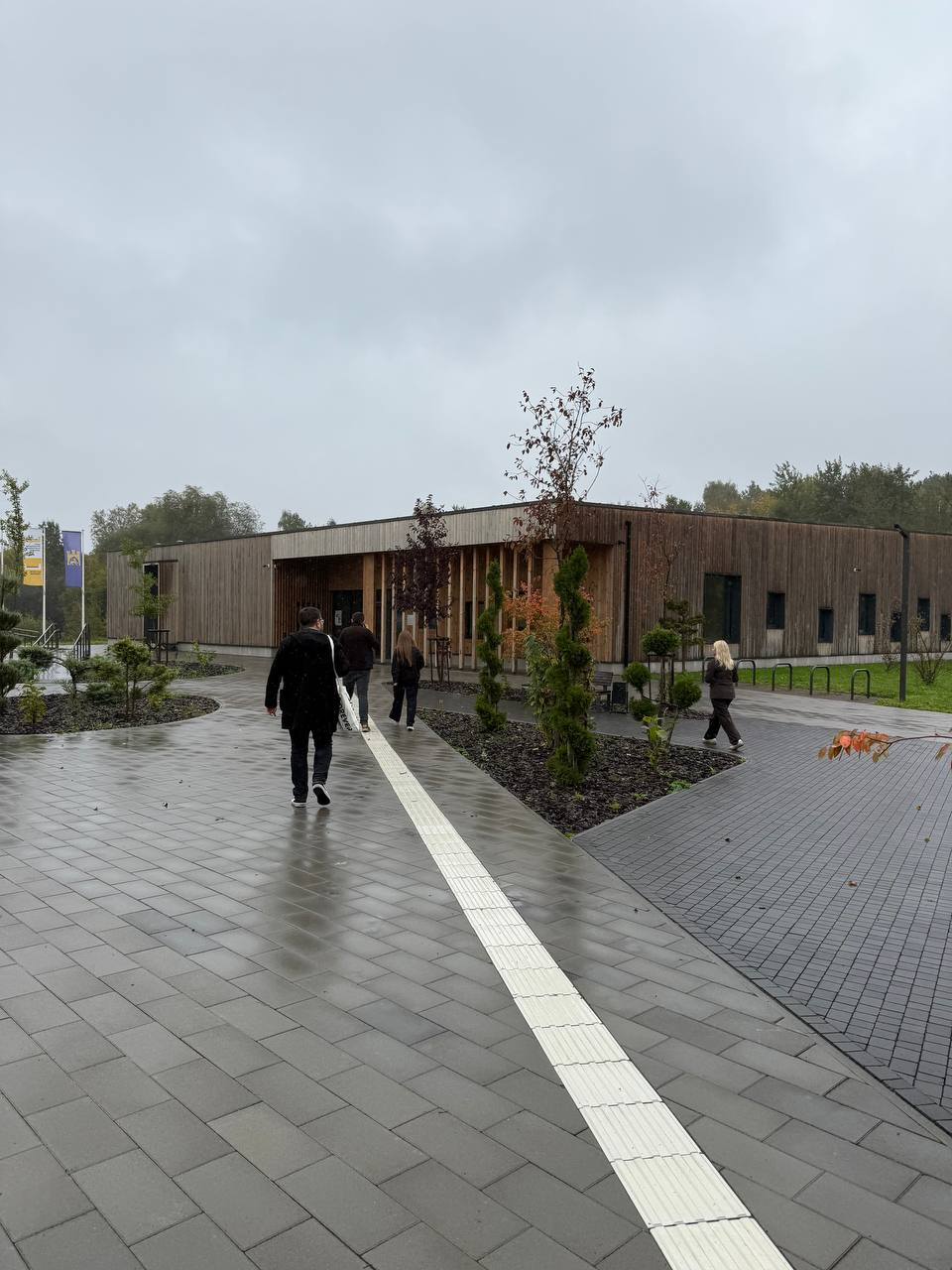
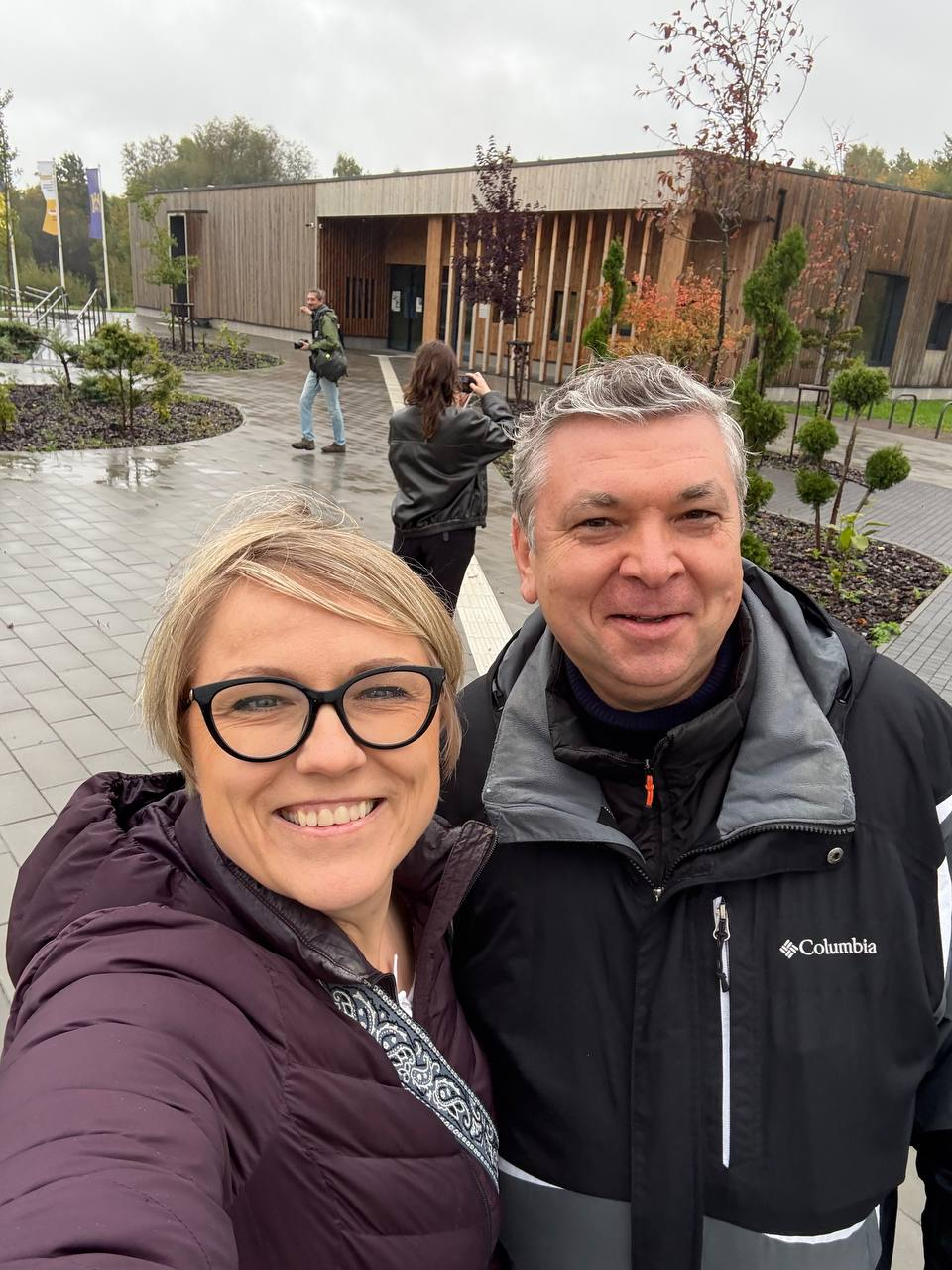
The final destination was the UNBROKEN Rehabilitation and Prosthetics Center in Lviv (@unbroken.ukraine) — one of Ukraine’s most significant examples of modern, low-carbon architecture.
The new prosthetics workshop is being constructed with glued laminated timber (glulam) produced by Rezult Ukraine, showcasing how local sustainable materials can replace carbon-intensive concrete and steel.
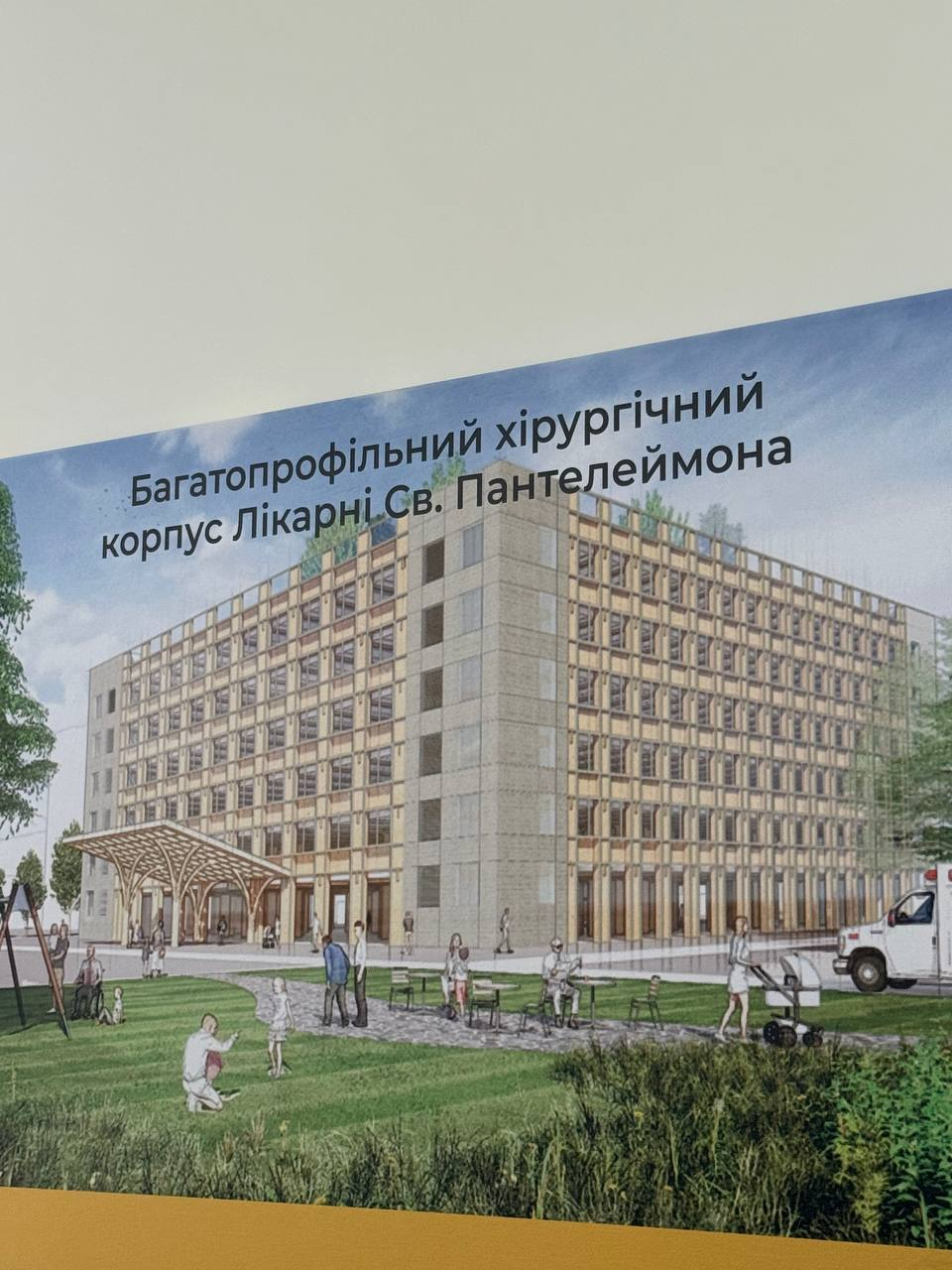
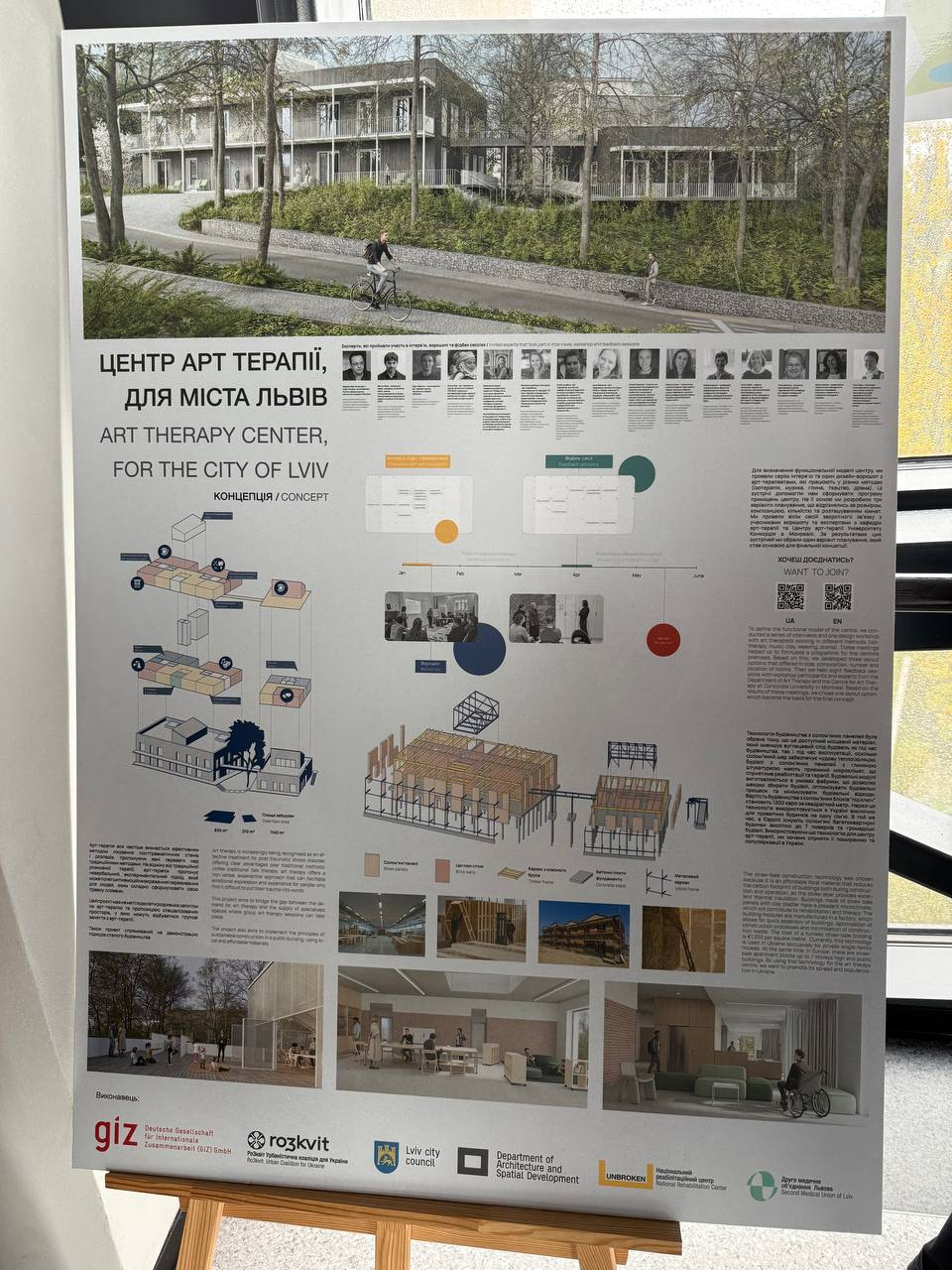
The project also uses CLT panels (cross-laminated timber) — strong, lightweight structures that enable rapid assembly while reducing energy consumption. Parts of the interior will remain in natural wood, preserving its texture and supporting a healthy indoor microclimate for patients and staff alike.
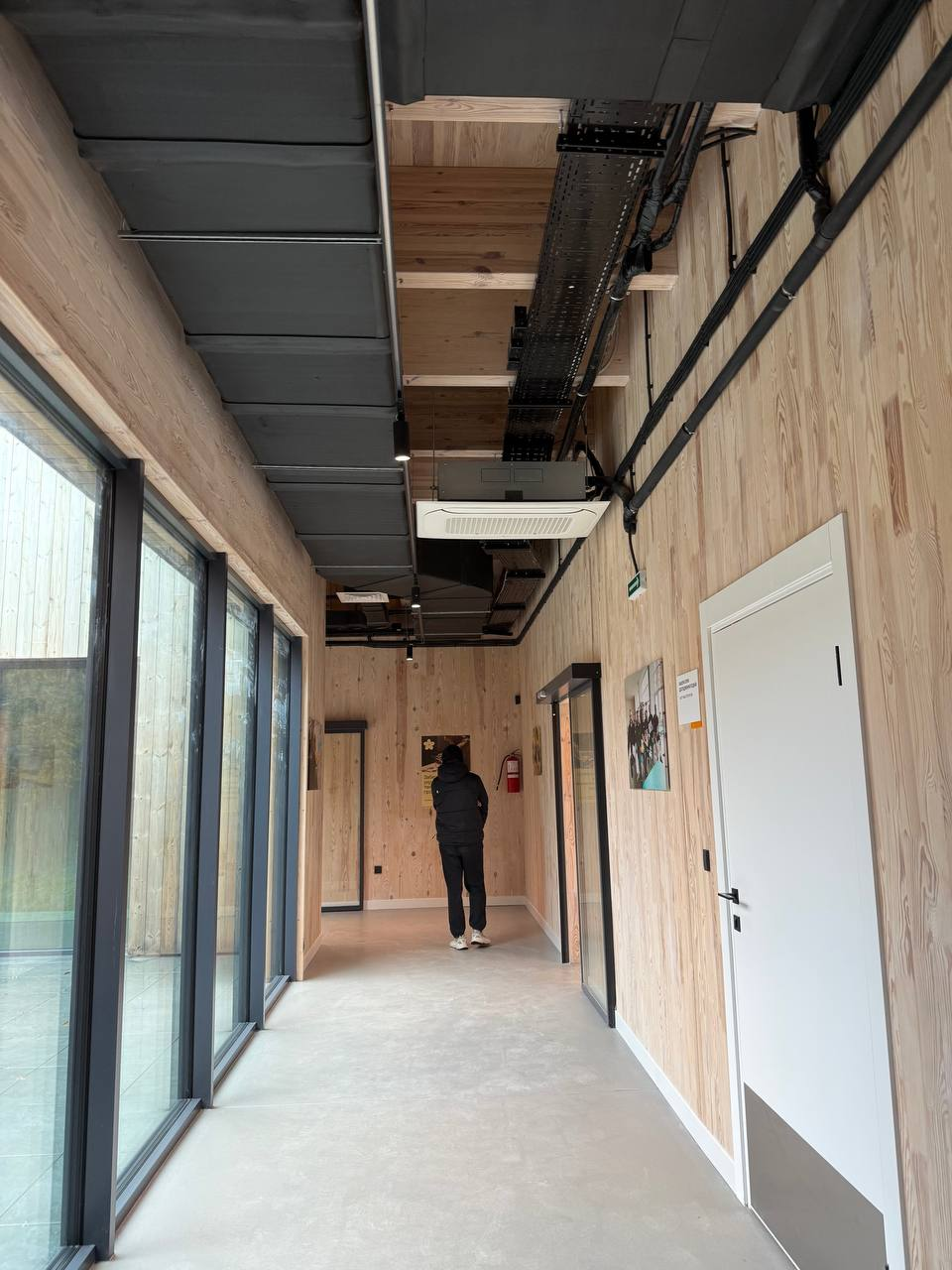
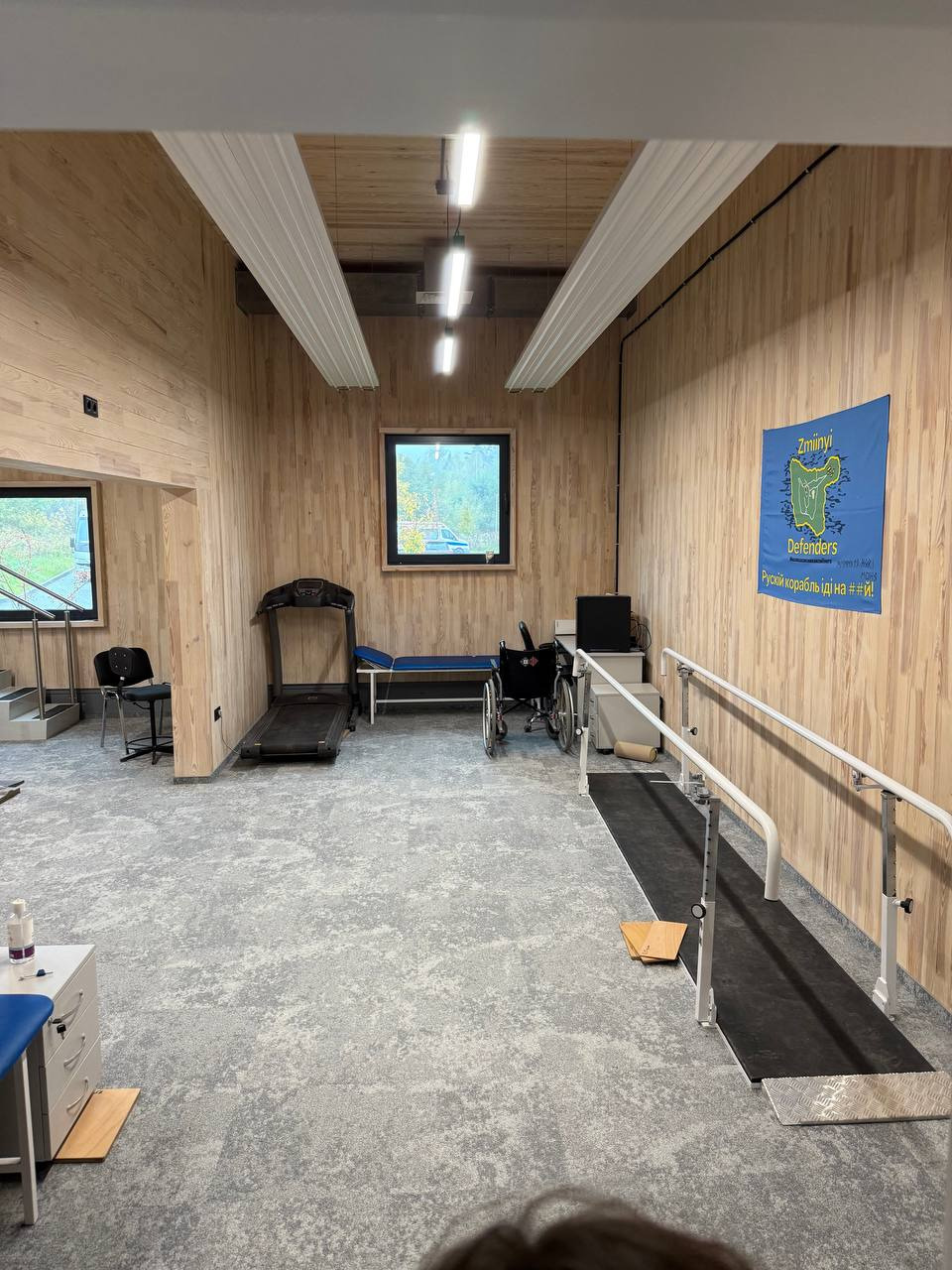
“At UNBROKEN, wood becomes part of healing architecture — warm, structural, and human,” Kateryna noted.
Standing there, she realized how sustainability connects everything — from forest soil to human recovery. Two places — one about trees, another about people — yet both tell the same story: resilience, regeneration, and responsibility.
A Cycle That Connects Us All
For Kateryna Pylypchuk and Modulina, participation in the FSC Ukraine tour was not only an educational experience but also a reminder of the deeper mission of sustainable construction: to synchronize human progress with the natural rhythm of renewal.
From seedlings taking root in the Carpathian soil to prosthetic workshops built from Ukrainian glulam, the tour demonstrated that sustainability is not just a concept — it is a living cycle, connecting forest, factory, and future.
→ Discover more about FSC on the Forest Stewardship Council official page