Original article was published at Rebuild Green 2030 Linkedin Page.
URC2026 Official Side Event | Gdańsk, Poland | June 27, 2026 | 9:00-13:00 | Olivia Star Top
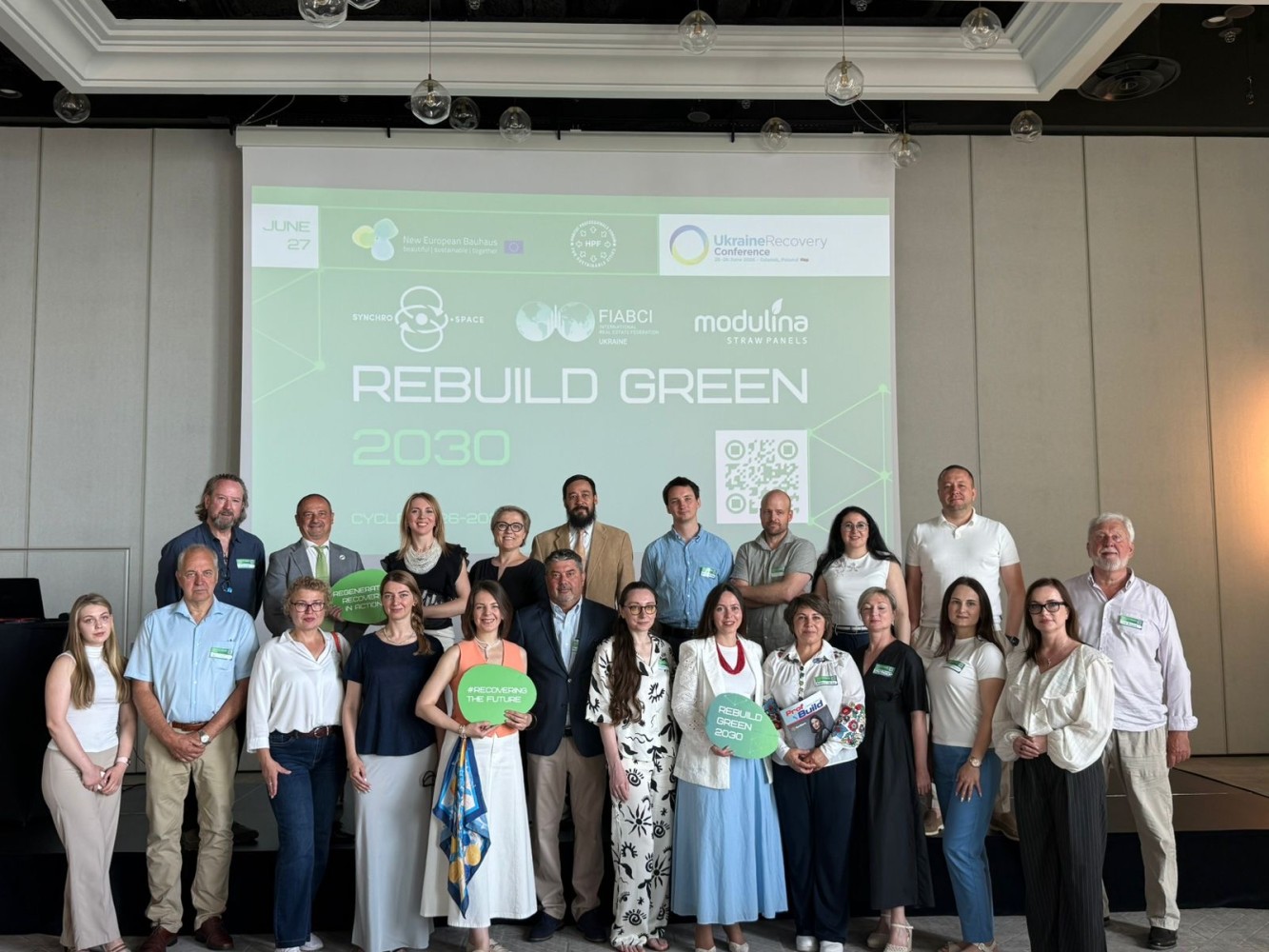
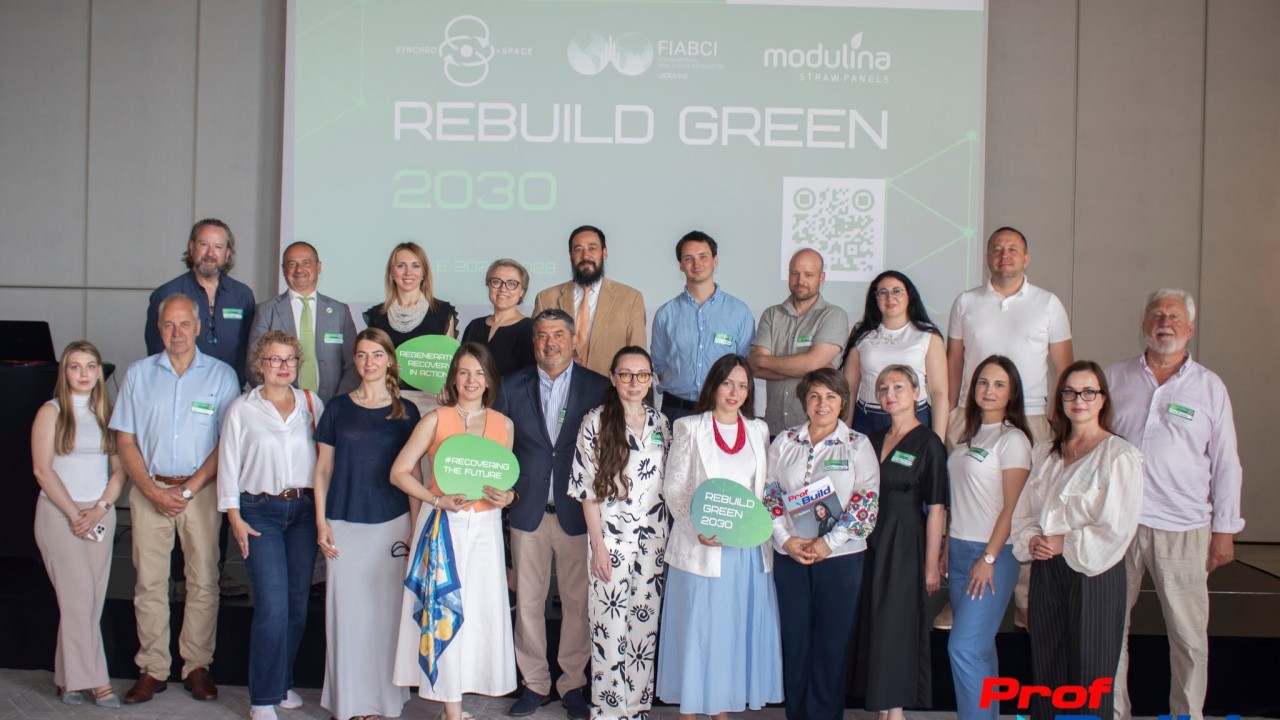
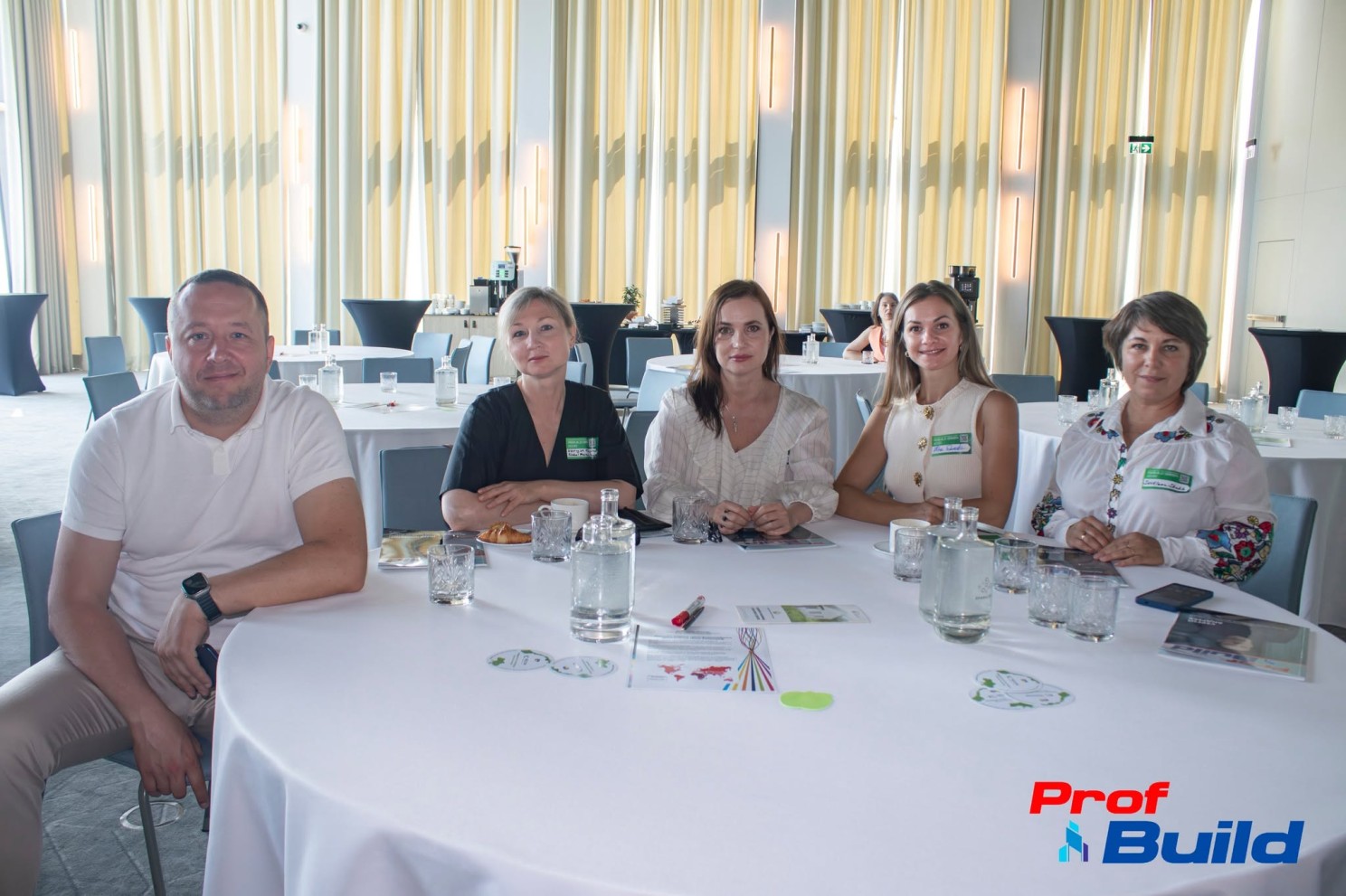
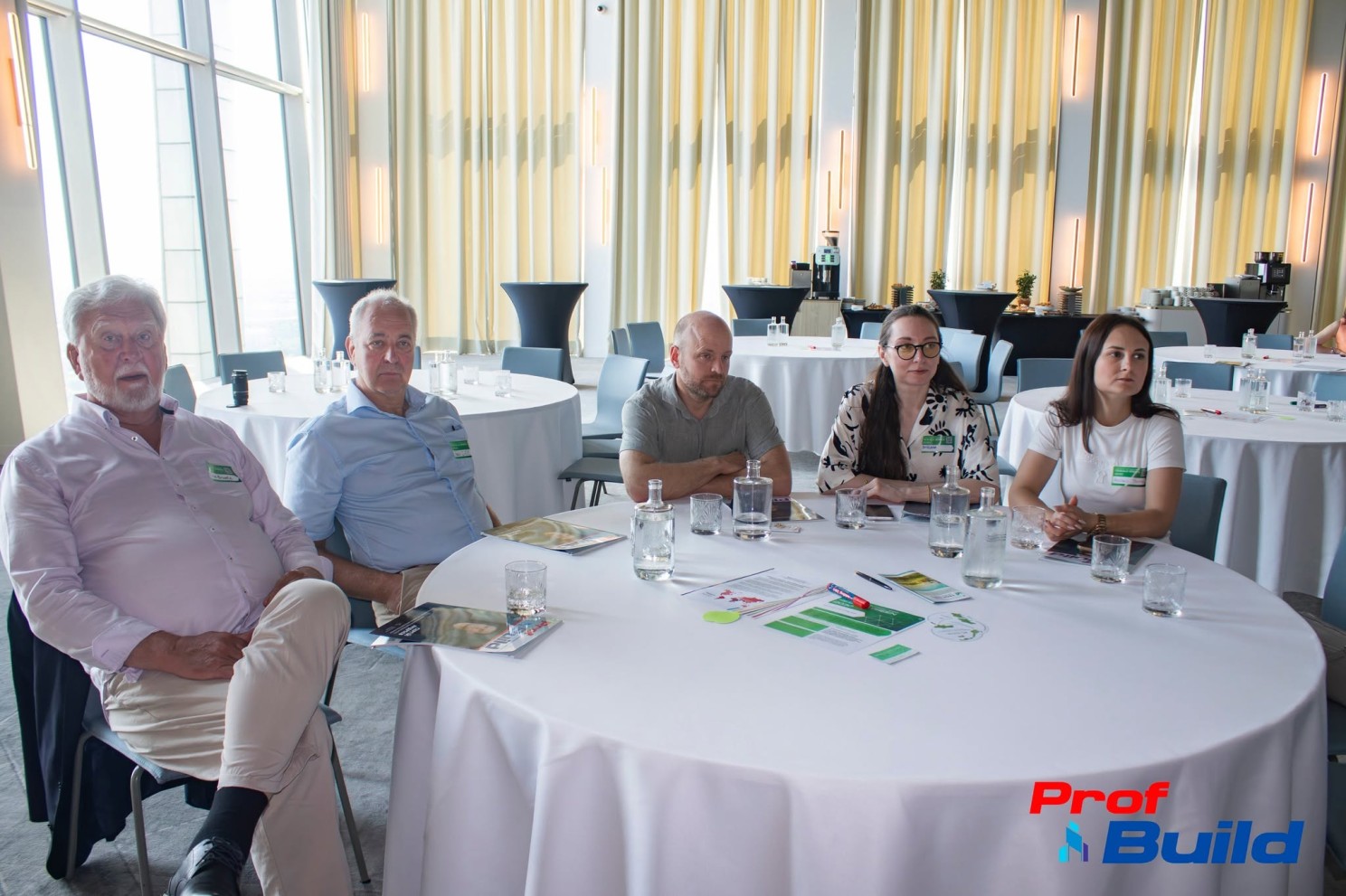
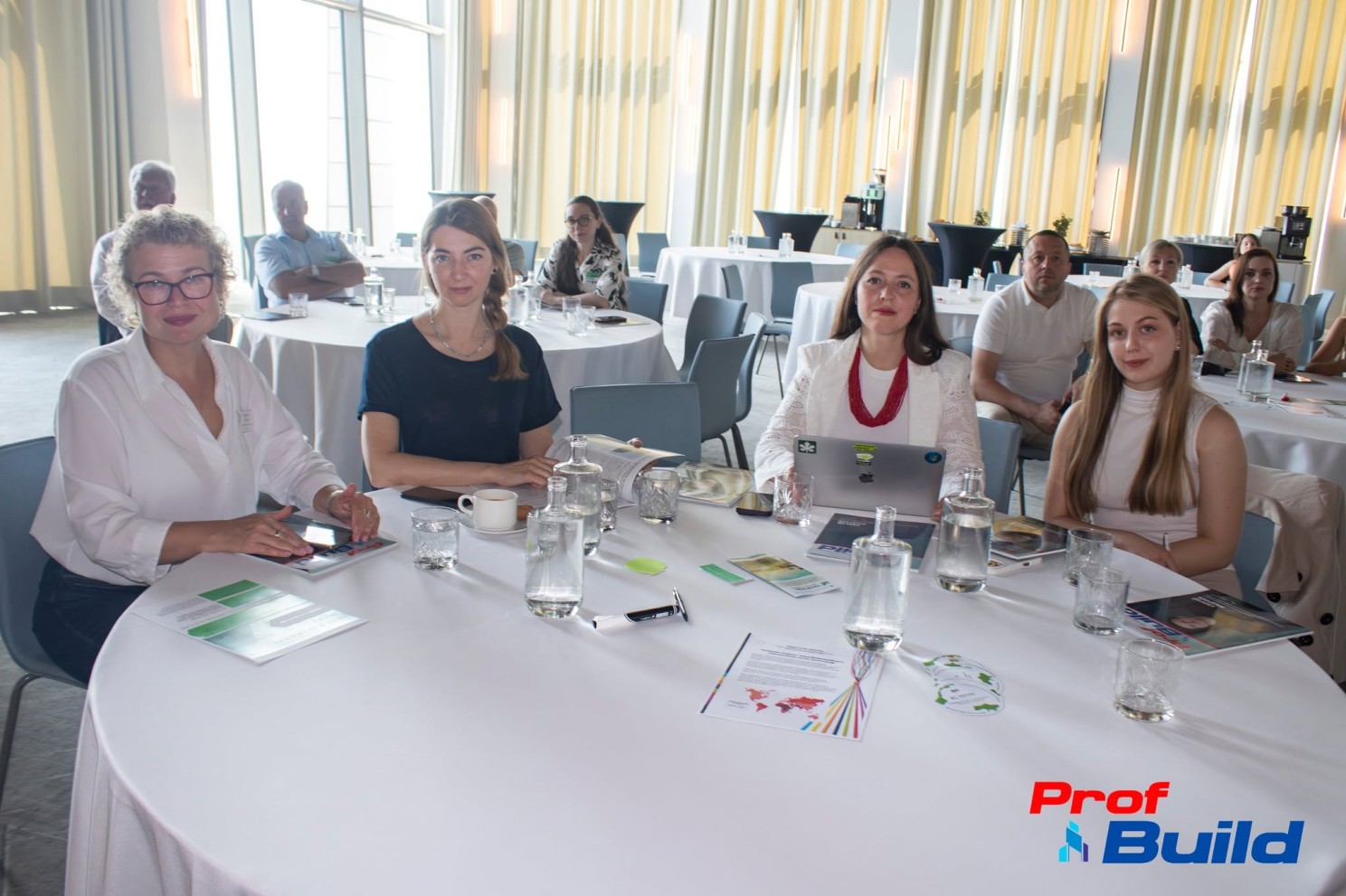
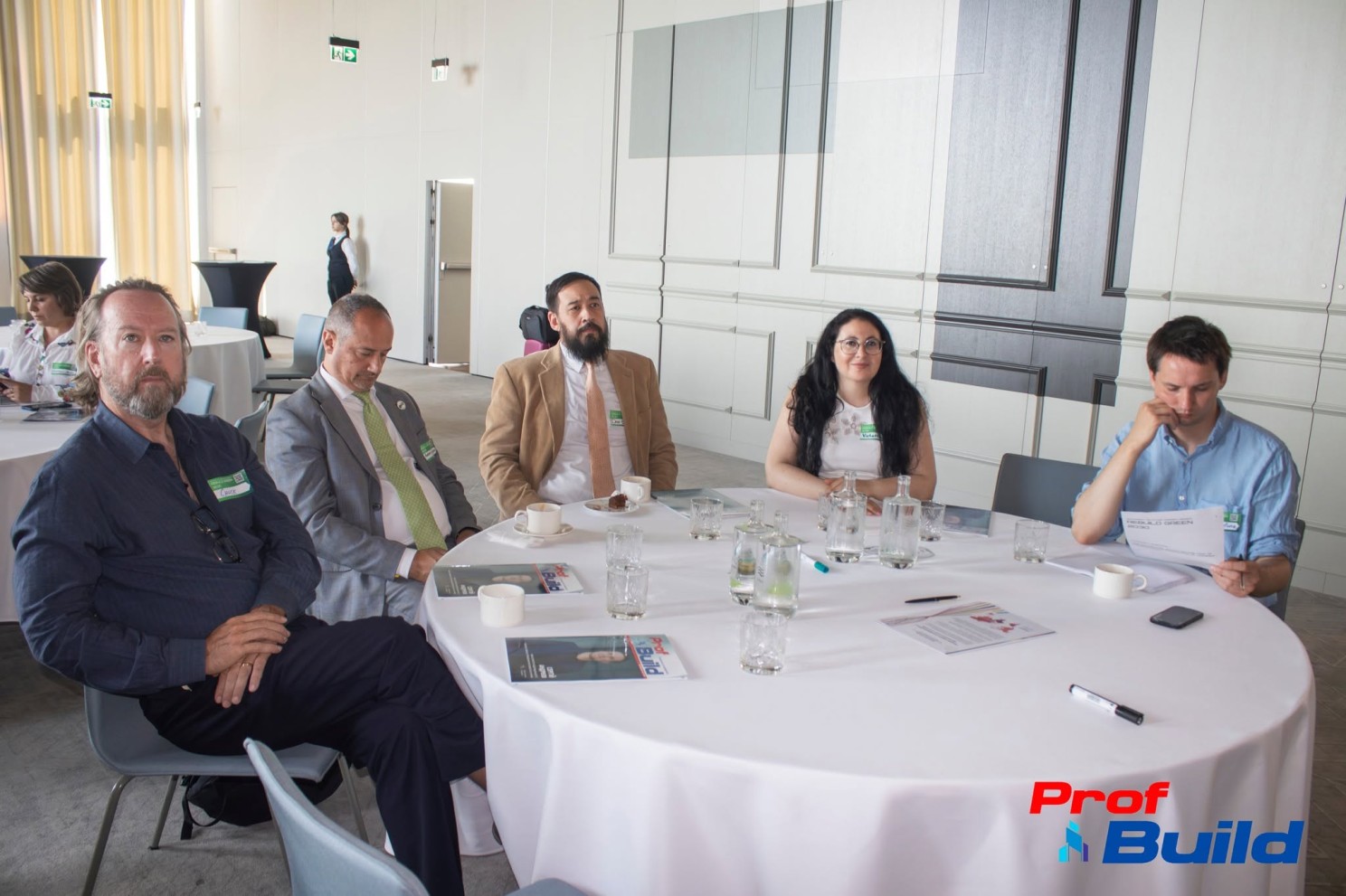
The Rebuild Green 2030: Recovering the Future, the official side event of the Ukraine Recovery Conference 2026 (URC2026), brought together international experts, municipalities, government institutions, investors, architects, researchers, businesses and development organisations around one shared vision: to move Ukraine’s recovery beyond reconstruction and towards regenerative, community-led and future-oriented development.
Over the past two years, Rebuild Green has evolved from an ambitious initiative into an international platform connecting Ukrainian communities with global expertise, innovative technologies, investment opportunities and multidisciplinary partnerships. This year’s side event demonstrated that the programme has moved beyond ideas—it is already delivering pilot projects, international consortiums, strategic partnerships and concrete implementation.
A New Strategic Partnership
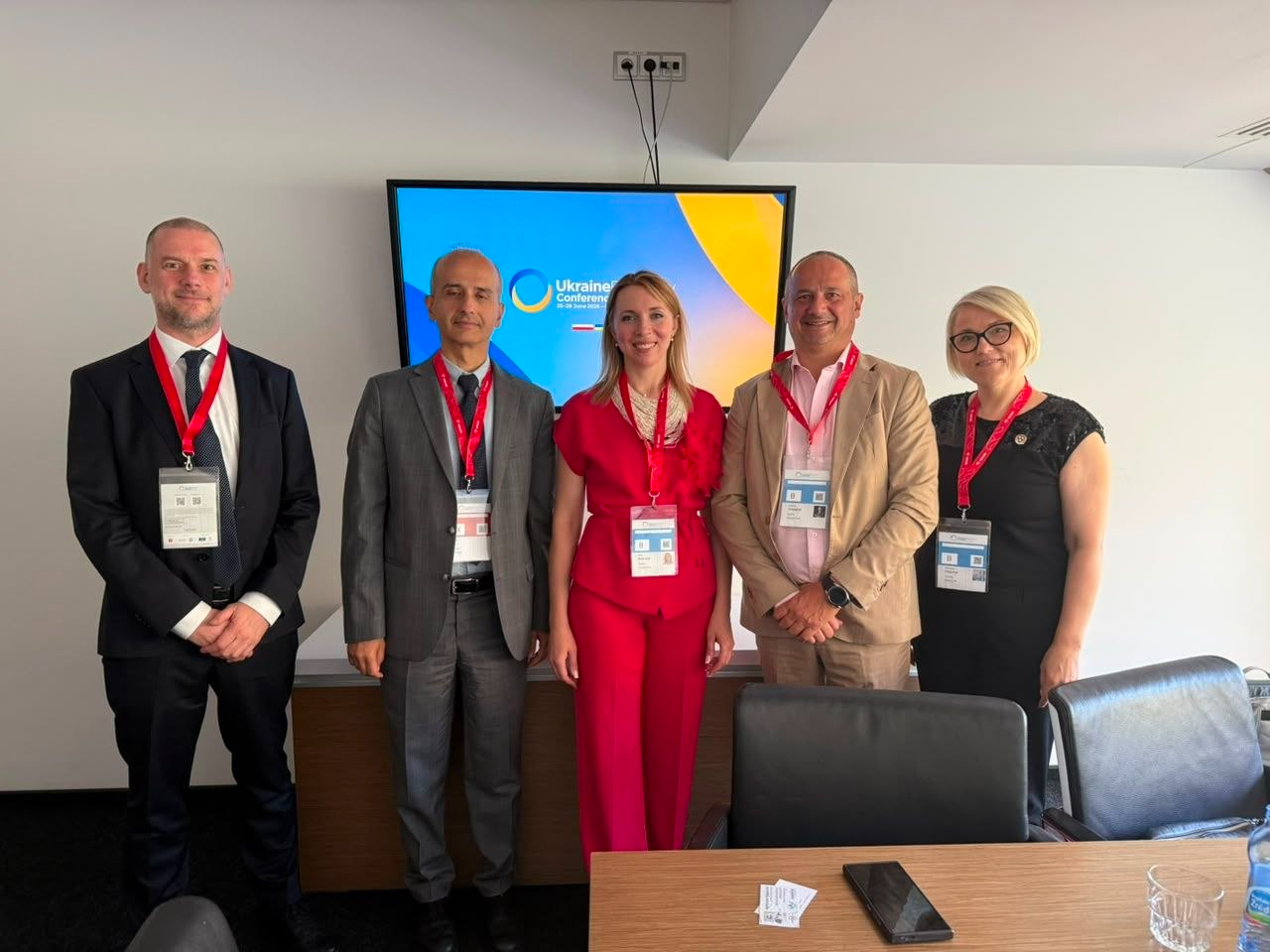
During the Ukraine Recovery Conference, the Rebuild Green 2030 team also held a strategic meeting with UN-Habitat leadership, including Executive Director Anacláudia Rossbach , erfan ali, Regional Director for Eastern Europe and Central Asia, and Alexandre Koclejda, Programme Specialist and Officer in Charge of UN-Habitat Ukraine. The discussion focused on establishing long-term cooperation in the development of housing and recovery projects in Ukraine. As Ukraine remains one of UN-Habitat’s priority countries, both sides agreed to strengthen collaboration through practical implementation. A first step will be a planned visit by UN-Habitat Ukraine to Rebuild Green pilot projects and partner municipalities in Ukraine this July, providing an opportunity to explore project sites, identify areas for cooperation, and develop future joint initiatives that support Ukraine’s sustainable and regenerative recovery.

The event became a platform for launching new institutional partnerships that will directly support the implementation of the next phase of the Rebuild Green programme.
A Memorandum of Understanding was signed between Ukrfinzhytlo and FIABCI-Ukraine, establishing cooperation on the development of affordable housing projects connected with industrial park development. The Teofipol Circular Industrial Park was selected as the first pilot project for this cooperation, creating a model that combines affordable housing, industrial development, circular economy principles and community resilience.
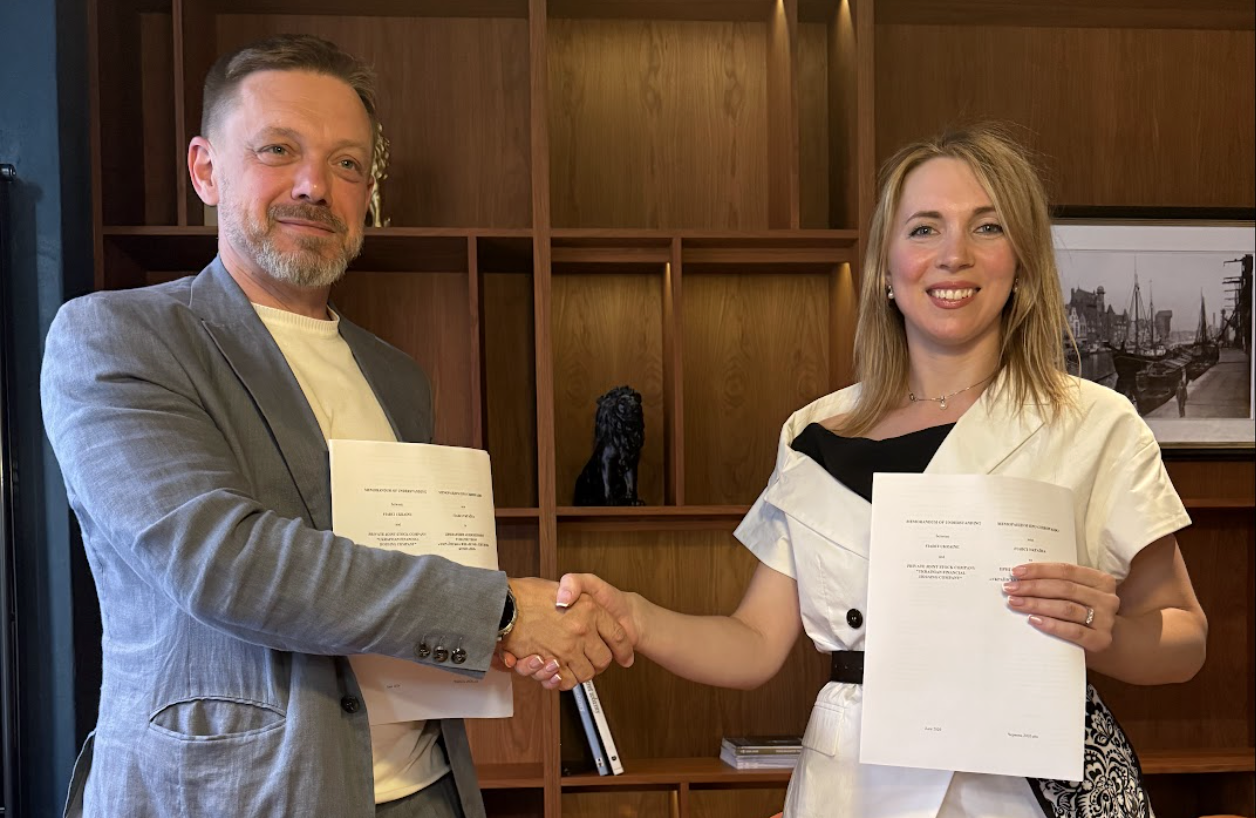
One of the highlights of the event was the signing of a Memorandum of Understanding between HSU Chamber of Commerce Switzerland – Ukraine representated by Olha Shveda and Rebuild Green 2030, representated by Alissa Bankovska , establishing a strategic partnership to accelerate sustainable recovery, education, innovation and international capacity building for Ukrainian communities.

Turning Commitments into Action
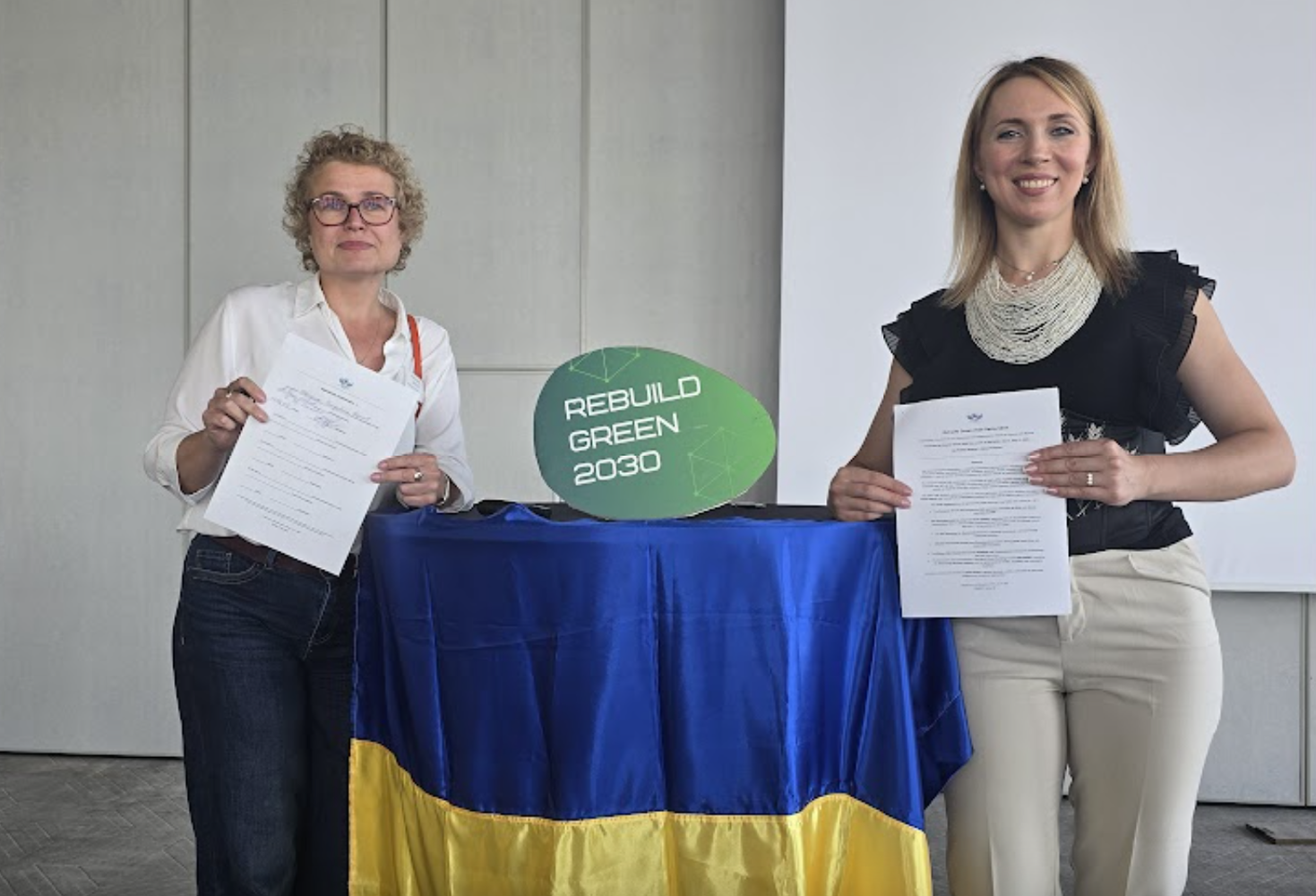
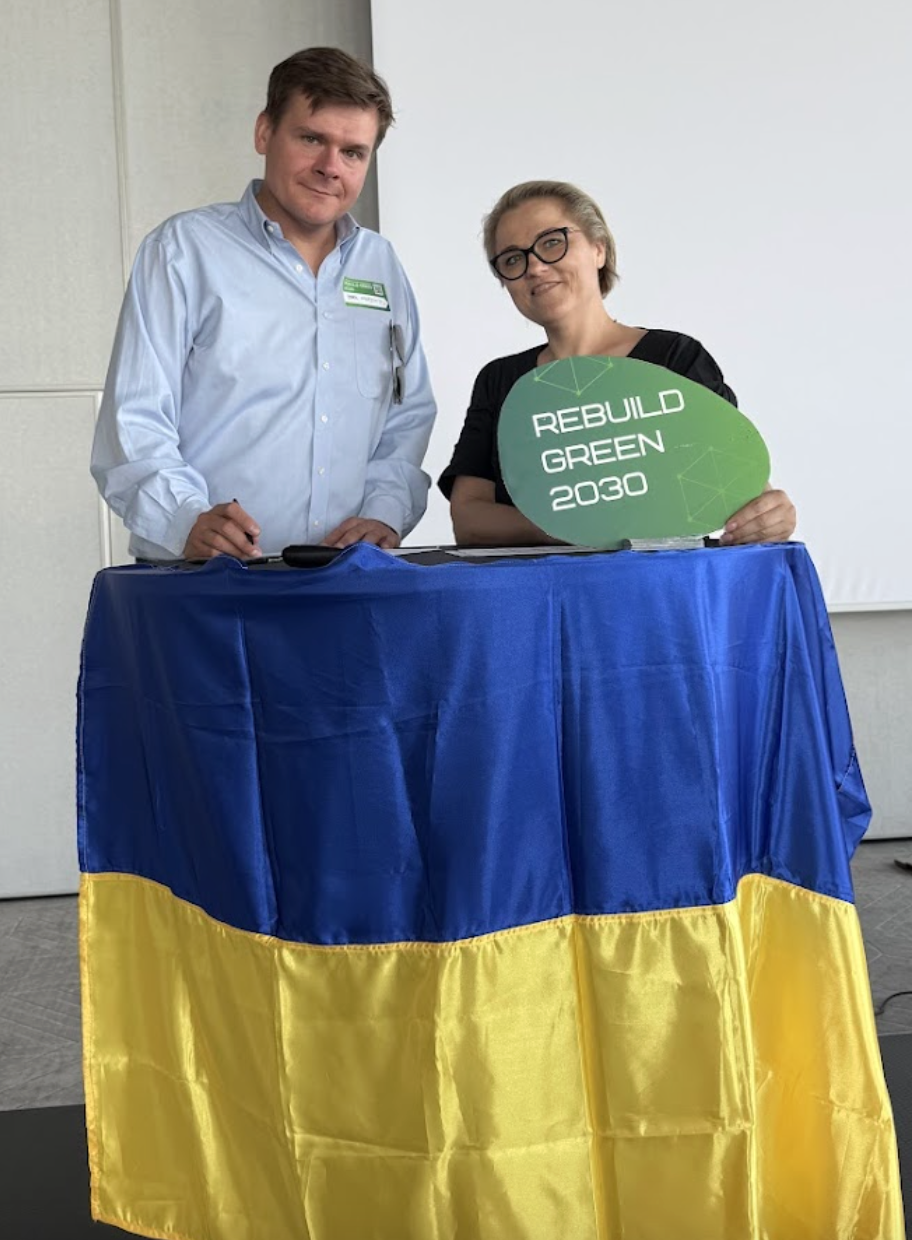
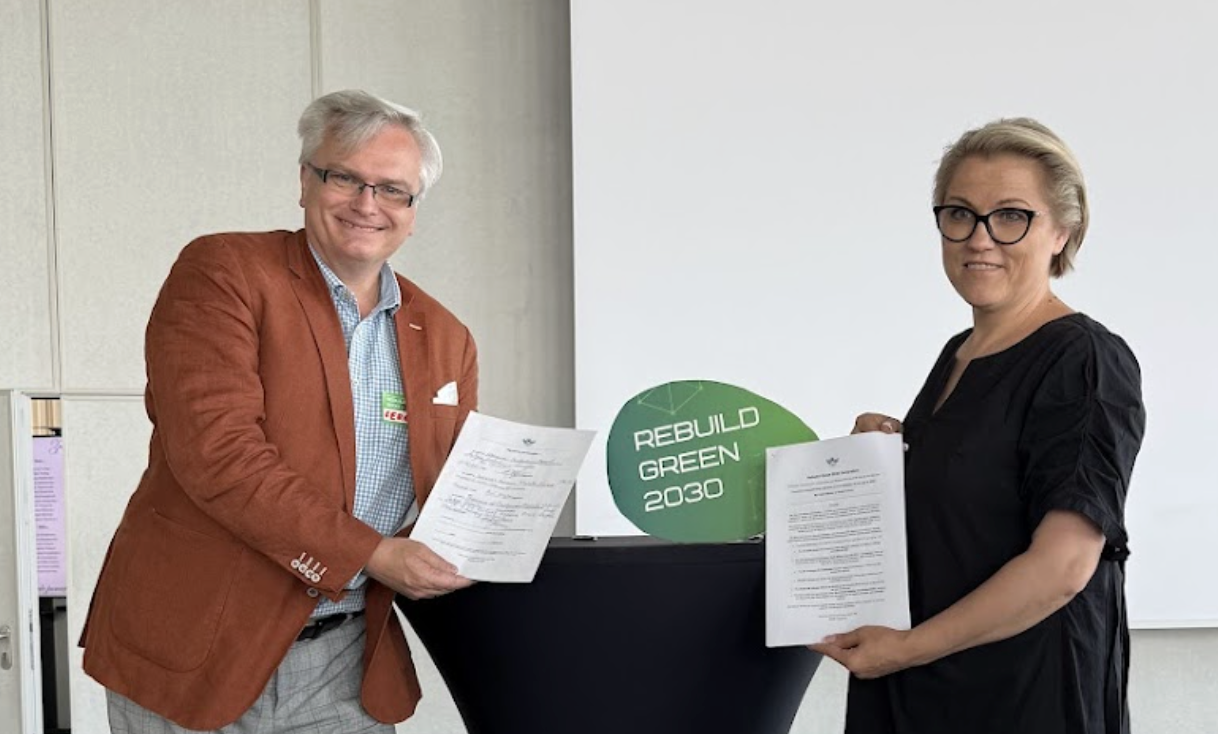
The Rebuild Green 2030 Declaration, initiated at URC2025 in Rome was joined by new signatories:
- Alevtyna Serdiuk , Co-Founder, Ukraine Competence Connect;
- Paweł Wołejsza , Member of the Revision Committee, Ogólnopolskie Stowarzyszenie Budownictwa Naturalnego (OSBN), Poland;
- Sergiy Ivannikov , MPA, MA, signing on behalf of Dr. Richard Teichmann , Managing Partner, Teichmann et Compagnons Property Networks GmbH (Austria).
These new commitments further strengthen the growing international coalition supporting regenerative recovery and sustainable investment in Ukraine.
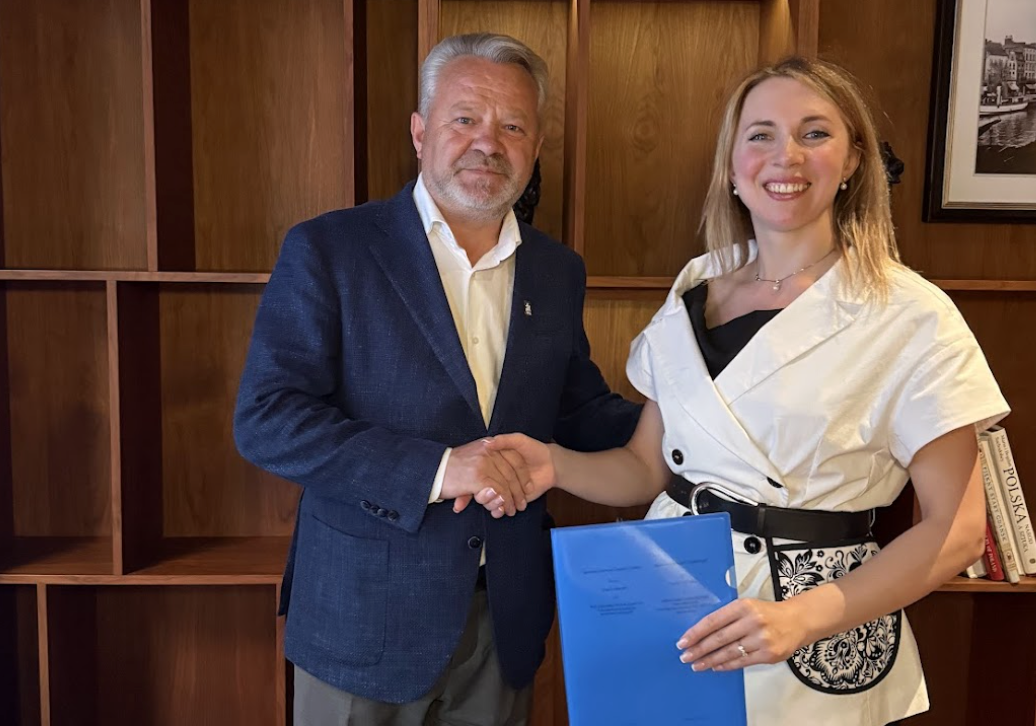
Another important milestone was the signing of a cooperation agreement between Bucha City, represented by Mayor Anatolii Fedoruk , and the Rebuild Green partners – FIABCI-Ukraine, SYNCHRO SPACE and Modulina Straw Panels . Through this agreement, Bucha officially joins the second iteration of the Rebuild Green programme, where its recovery challenges will be addressed through the upcoming international Rebuild Green Hackathon.
A cooperation agreement was also signed with the Boiarka Hromada, represented by Deputy Mayor Tetyana Kochkova. By joining the initiative, Boiarka officially becomes part of the second iteration of the Rebuild Green programme and will collaborate with international experts, architects, engineers, businesses and researchers in developing regenerative solutions tailored to the community’s priorities.
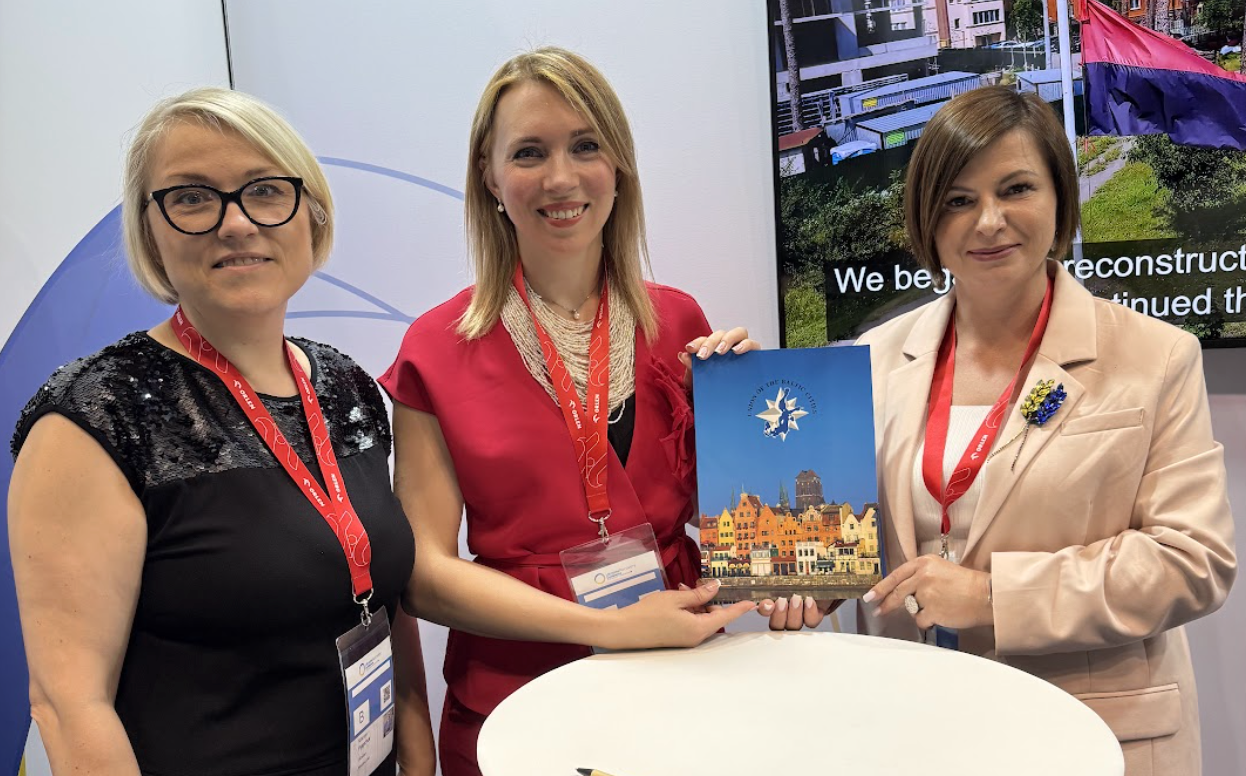
Together, these agreements signed during URC2026 transform dialogue into implementation. They enable municipalities and national institutions to integrate directly into the Rebuild Green platform, ensuring that the programme continues evolving into a practical mechanism for project development, international cooperation and investment attraction.
Celebrating the Harvard Fellows
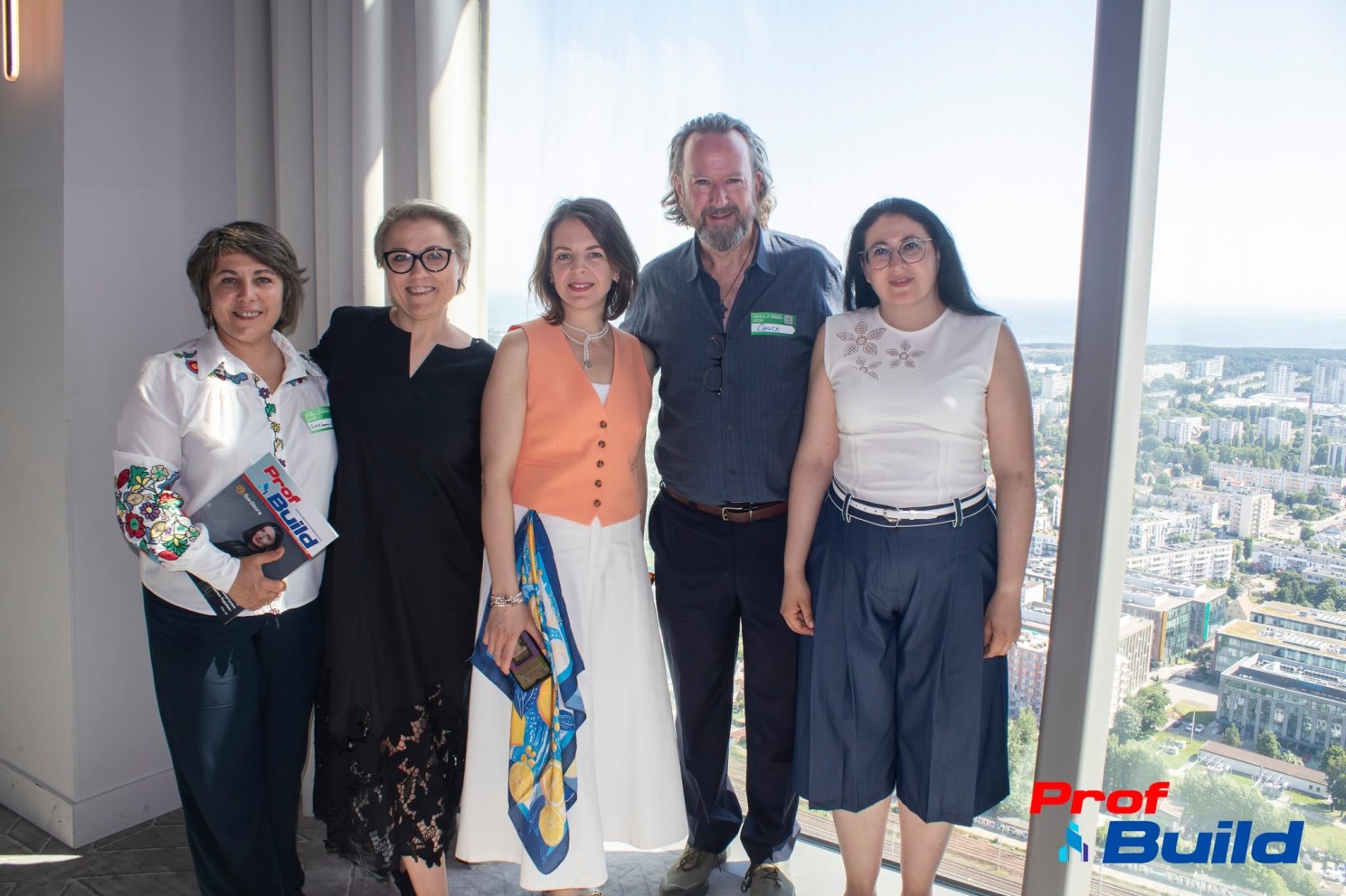
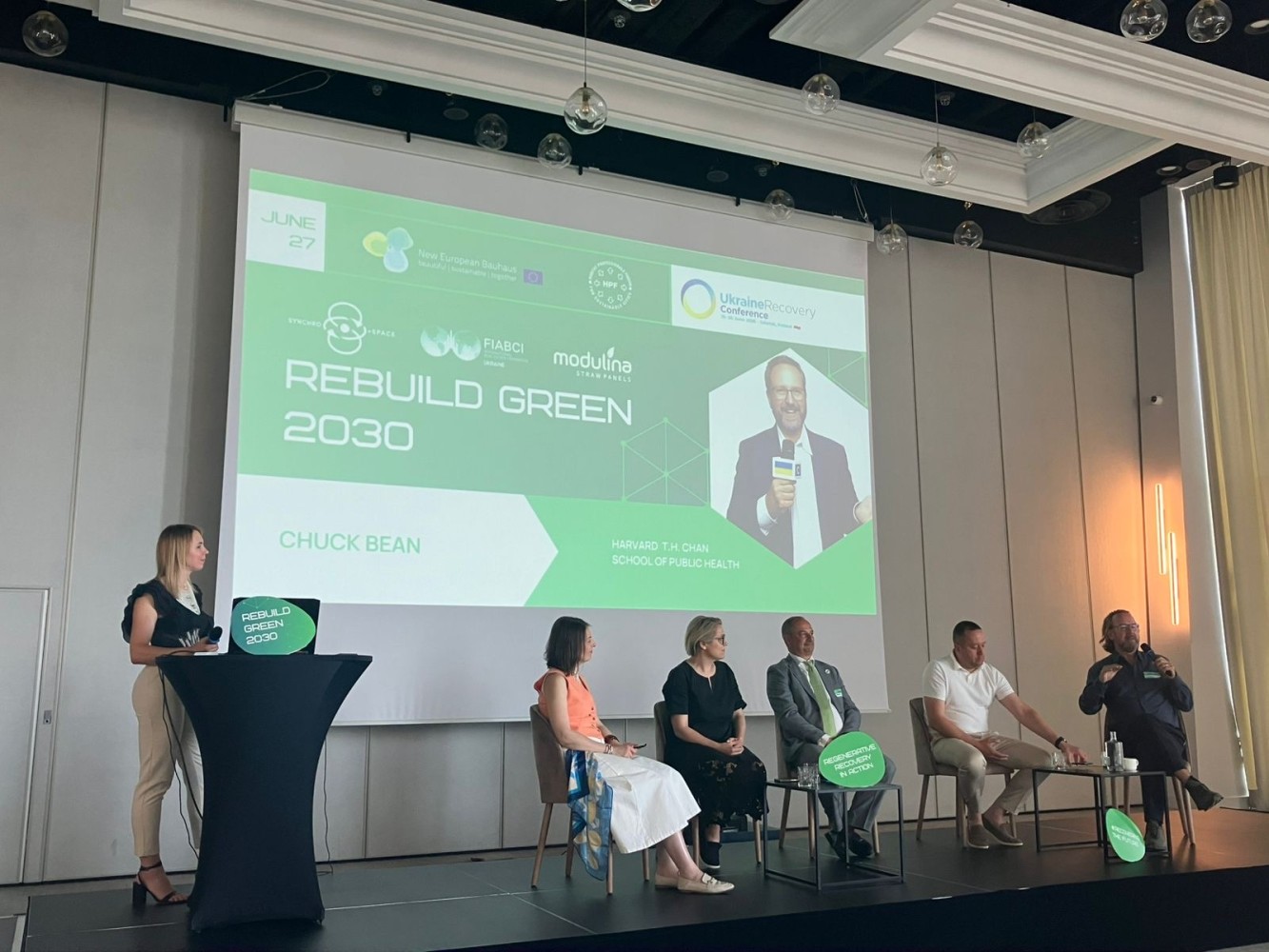
A particularly meaningful moment of the event was the presentation of the Harvard “Advancing Sustainable Development in Ukraine” Certificate to Kateryna Kukharenko, Kateryna Pylypchuk, Dmytro Kovhanich (represented by Olha Shveda) by Chuck Bean, advisor to the Harvard T.H. Chan School of Public Health within the Advancing Sustainable Development in Ukraine programme.
Congratulating all Harvard fellows, Chuck emphasized the importance of preparing a new generation of leaders capable of translating sustainable development principles into practical recovery solutions. Drawing upon his experience, he highlighted that resilient communities are built through collaboration, knowledge sharing and long-term commitment to human wellbeing.
First iteration of Rebuild Green reporting
Alissa Bankovska, Co-Founder and Head of Rebuild Green 2030, presented a comprehensive report on the first iteration of the programme (2023-2025).
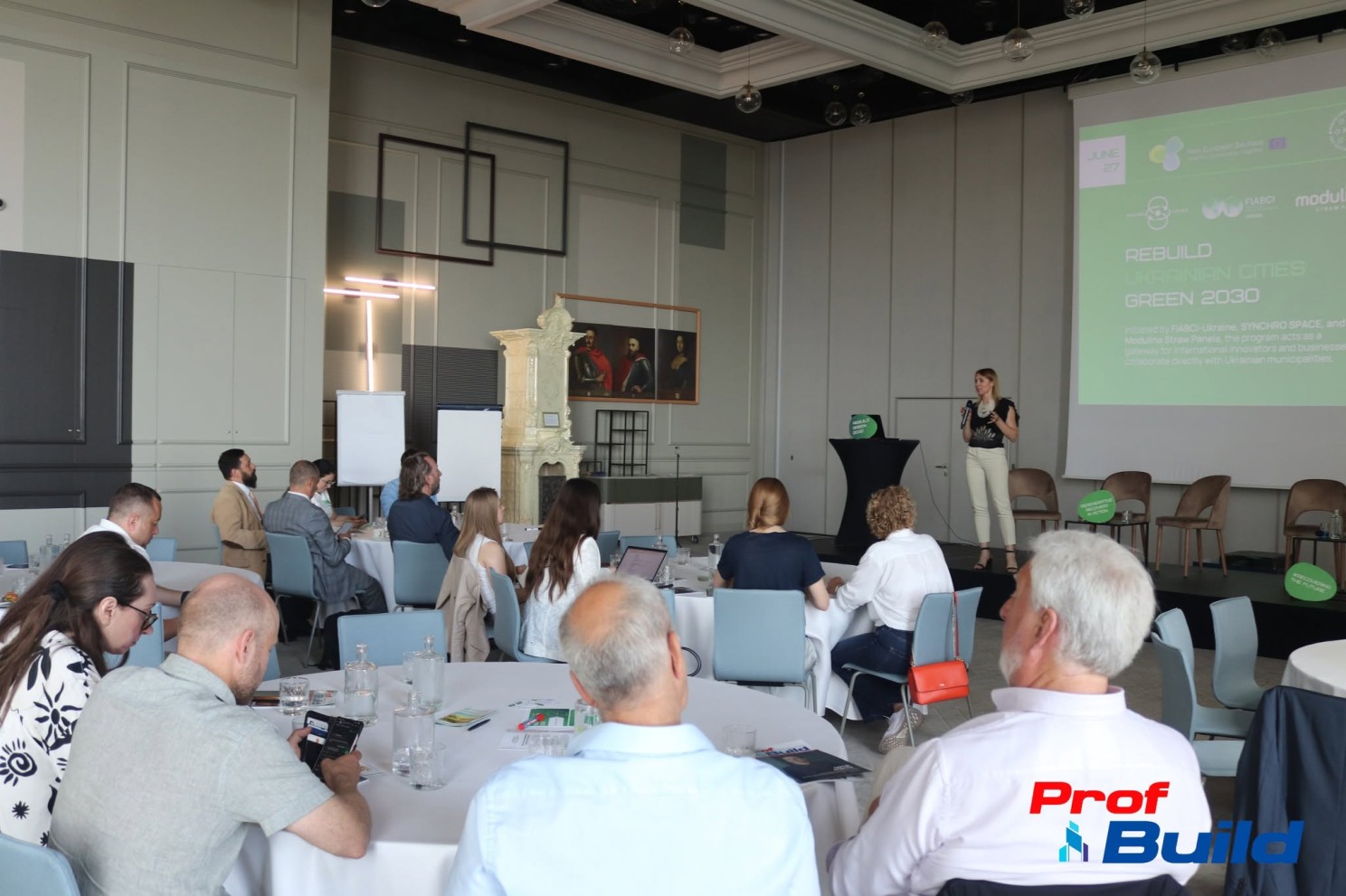
Her presentation demonstrated how Rebuild Green has evolved from an idea launched in 2023 into an international ecosystem connecting municipalities, universities, businesses, investors, architects, engineers and international organisations around regenerative recovery.
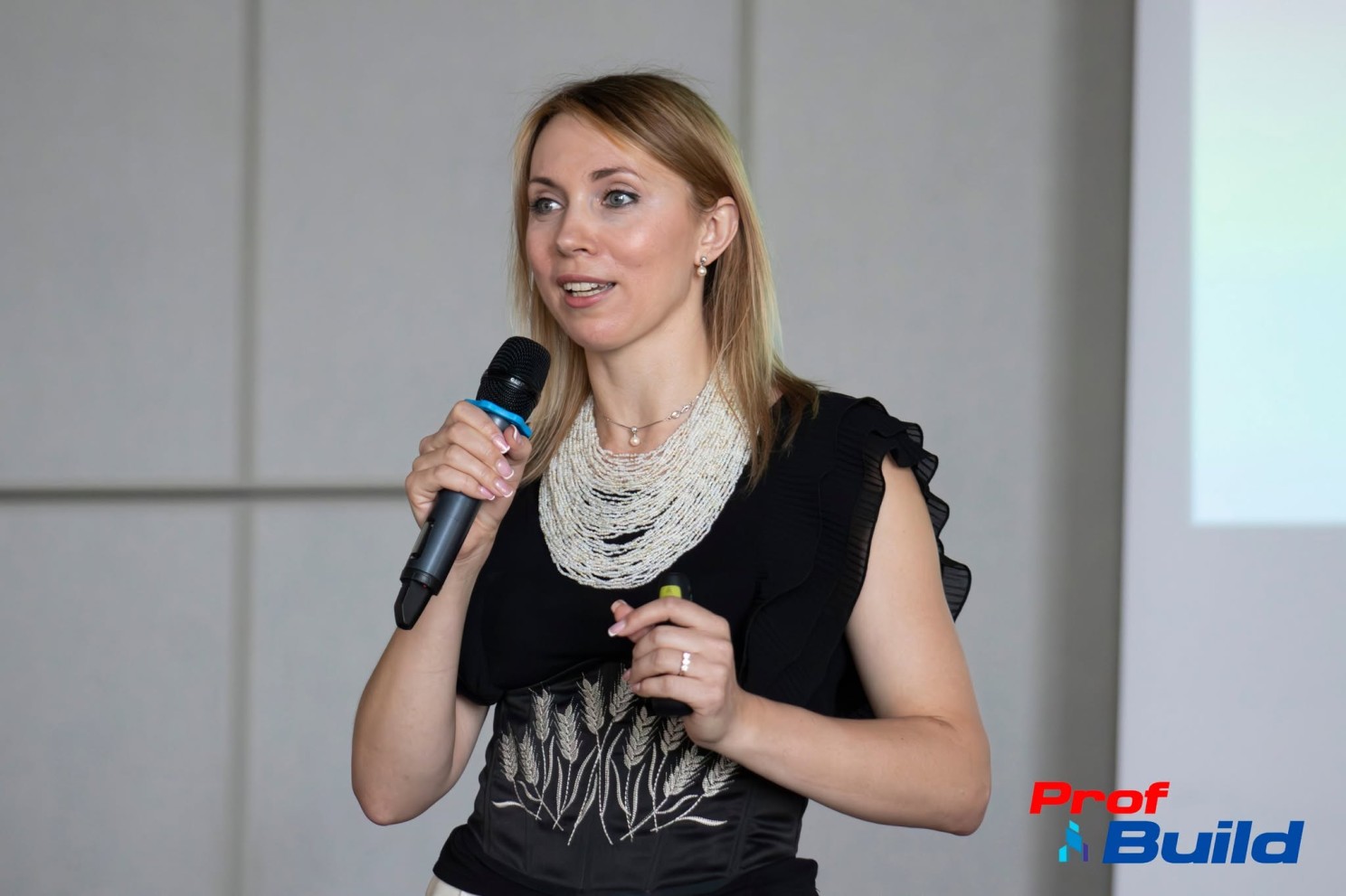
The report highlighted:
- development of the Rebuild Green international ecosystem;
- launch and implementation of the Rebuild Green Hackathon;
- cooperation with Ukrainian municipalities;
- creation of multidisciplinary international teams;
- development of pilot projects;
- establishment of international consortiums;
- transformation of innovative ideas into implementation of the pilot projects.
The presentation also featured two inspiring video contributions from the leaders of the Rebuild Green Hackathon 2024 teams.
French architect Nicolas Ziesel, representing BUDMO NGO, winners of the first Rebuild Green Hackathon, shared the journey from participating in the programme to the first pilot implementation. His experience demonstrated how interdisciplinary collaboration can transform innovative concepts into real projects benefiting Ukrainian communities.
Representing Switzerland, Thomas Dimov, founder of Zoë Circular Building, shared another inspiring story. Although his team did not win the Hackathon, participation in Rebuild Green became the beginning of a long-term collaboration. Today, the consortium continues developing the Teofipol Green Energy Industrial Park project while preparing grant applications and funding proposals and awaiting positive feedback from Swiss funding institutions.
Their stories perfectly illustrated one of the core principles of Rebuild Green: The programme does not end with the Hackathon—it begins there.
Communities at the Centre of Recovery
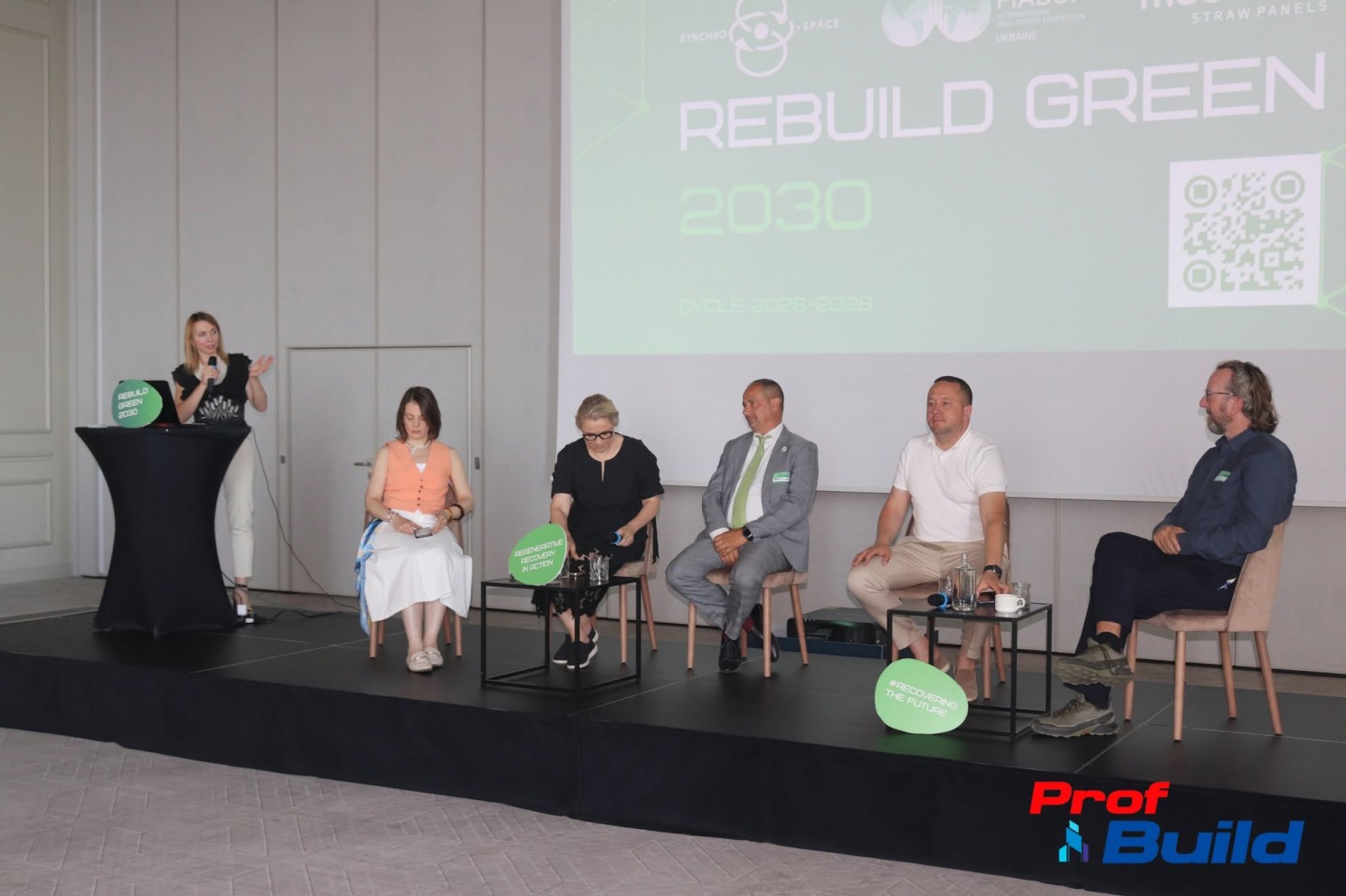
The panel discussion focused on municipalities as active leaders of regenerative recovery.
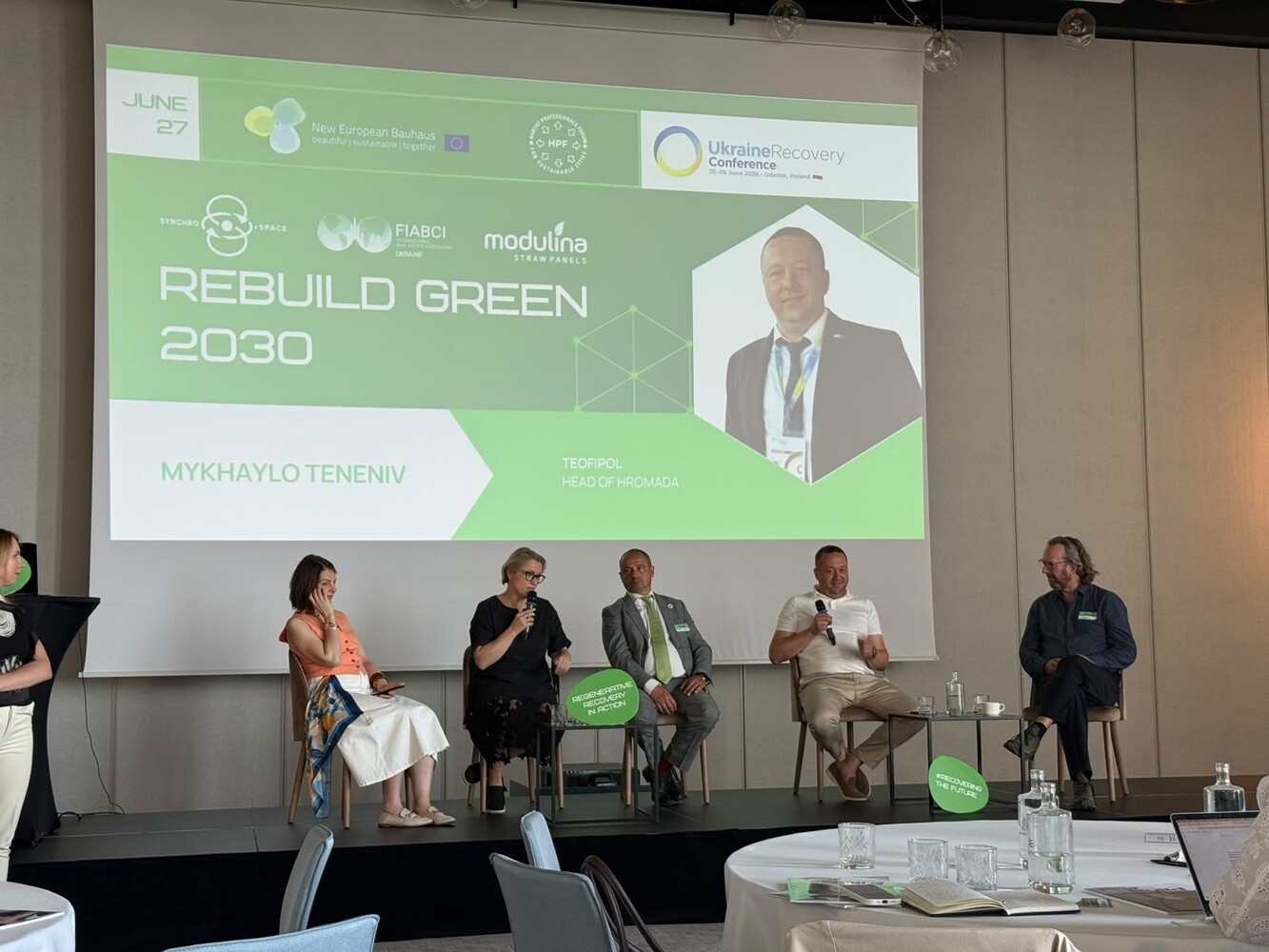
Mykhailo Tenenev, Mayor of the Teofipol Community, shared his municipality’s experience of participating in Rebuild Green.
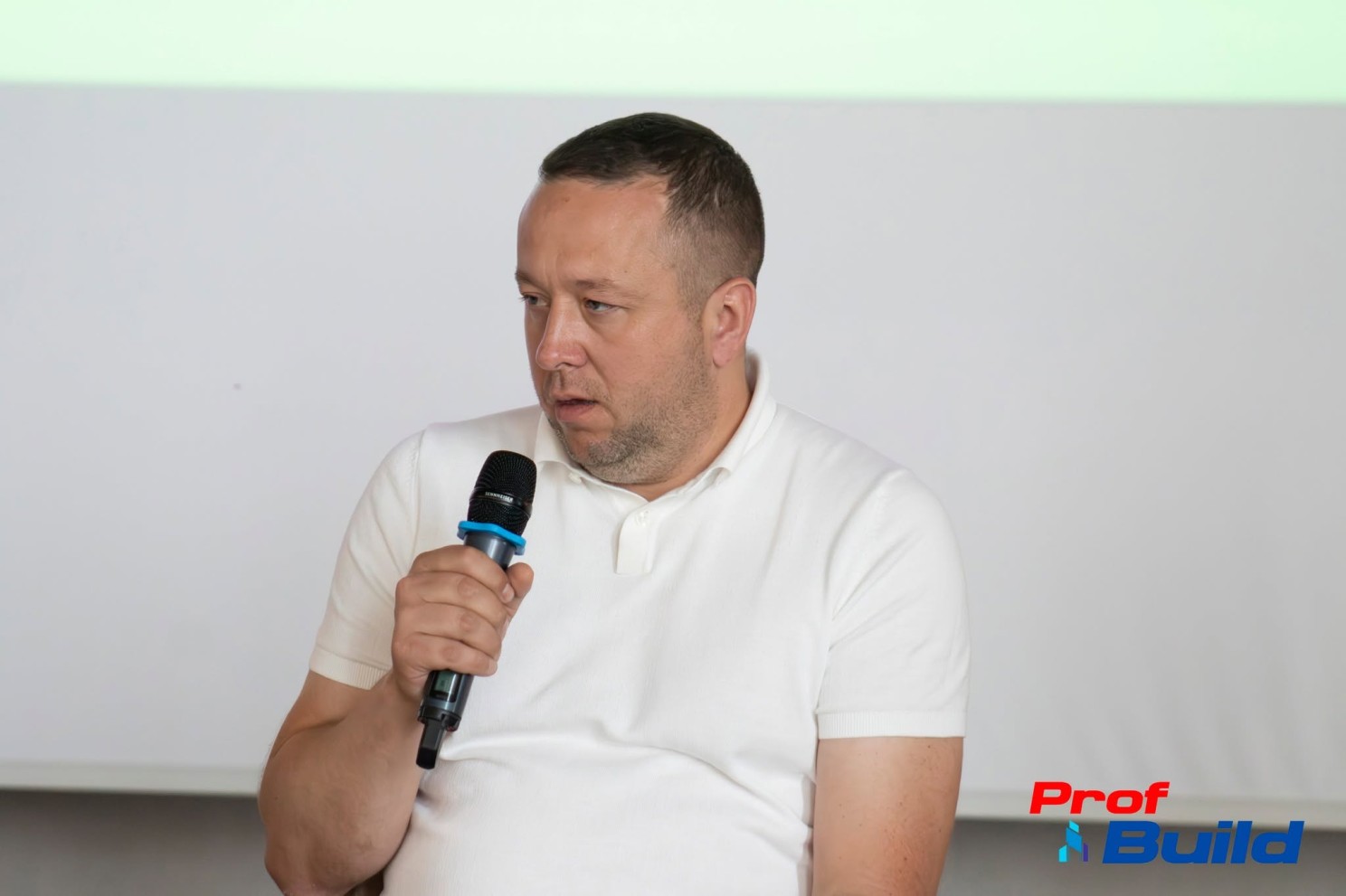
He emphasized the importance of cooperation with FIABCI-Ukraine, Modulina Straw Panels, SYNCHRO SPACE, and Thomas Dimov together with Zoë Circular Building (Switzerland) in developing an innovative model of a Circular Industrial Park, combining sustainable industry, affordable housing, local enterprise development and regional resilience.
Recovering the Future Through Bio-Based Construction
Kateryna Pylypchuk, President of FIABCI-Ukraine and Strategic Business Advisor at Modulina Straw Panels, shared practical experience in helping Ukrainian municipalities integrate bio-based construction into their recovery strategies.
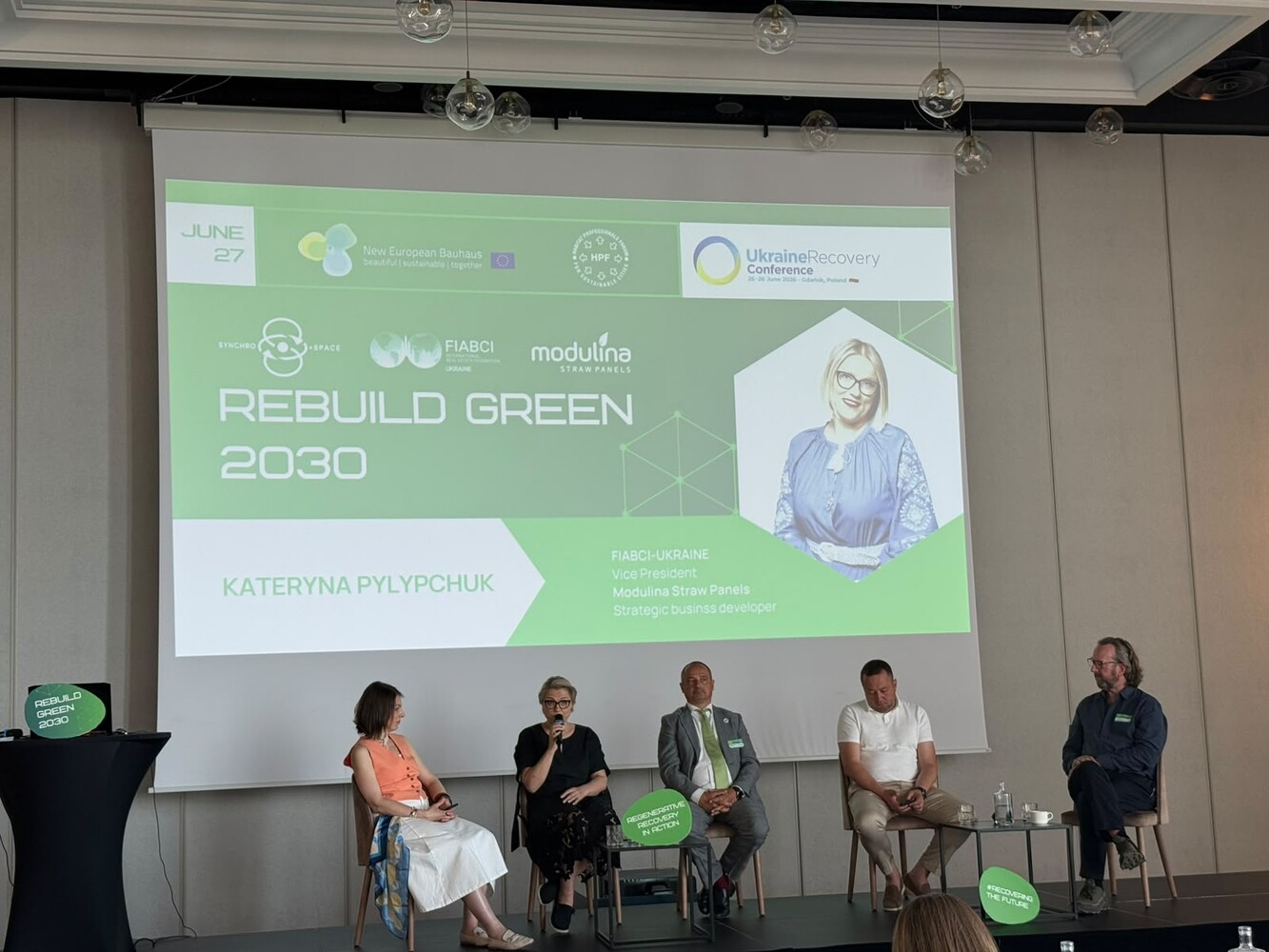
She explained how renewable construction materials such as straw can become industrial-scale solutions that significantly reduce embodied carbon while creating healthier, more resilient living environments.
She emphasized that recovering the future requires balancing technological innovation with low-tech, nature-based solutions and making today’s decisions with future generations in mind.
From Public-Private Partnerships to the 5P Model
Antonio Campagnoli, FIABCI Immediate Past World President and Board member, presented the transition from traditional PPPs to the 5P Model, demonstrating that successful recovery depends on partnerships between the public and private sectors, communities, and enabling policy.
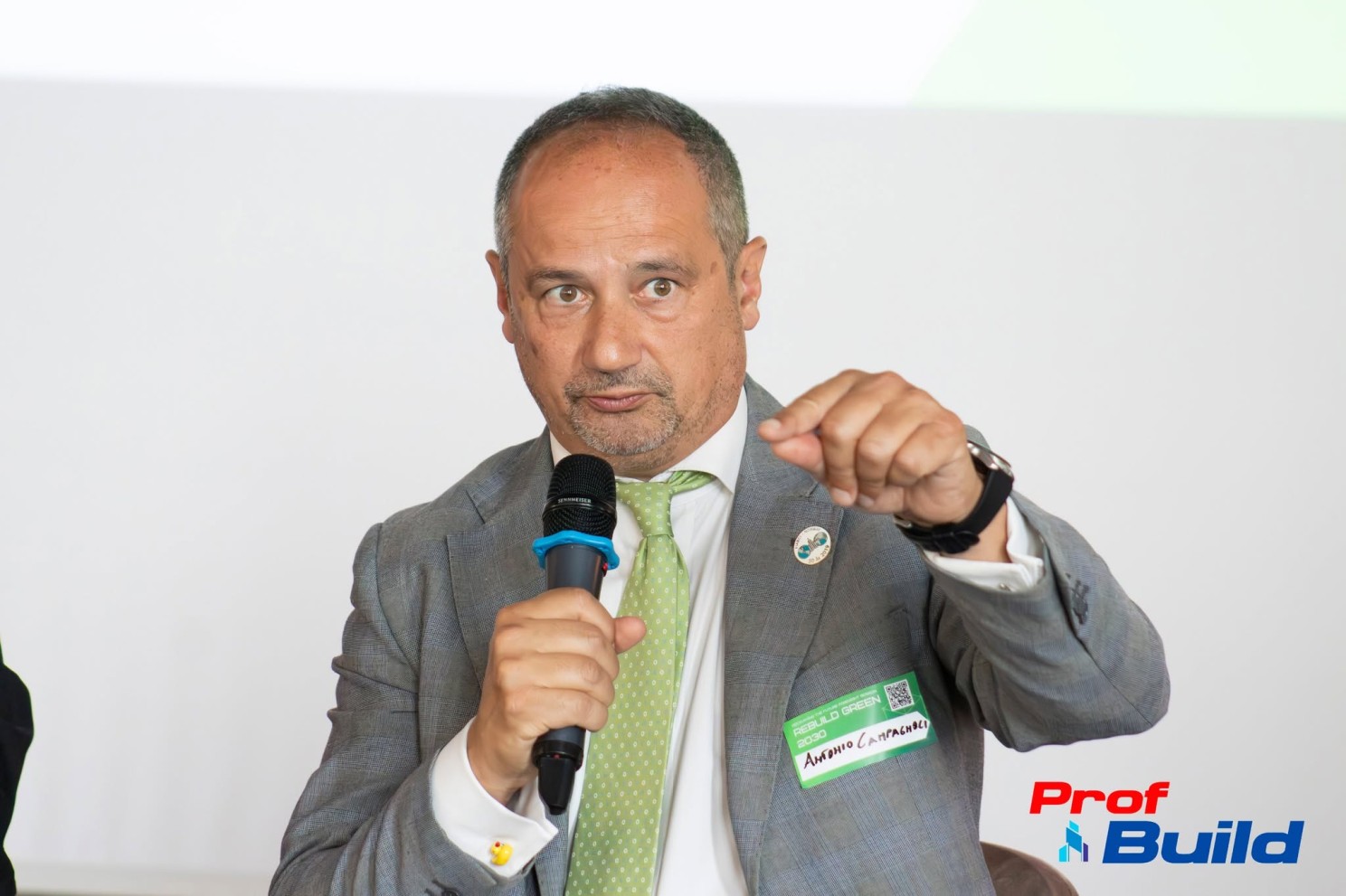
He emphasized that people are not beneficiaries of recovery—they are its co-creators, shaping projects that are resilient, investable, and sustainable over the long term.
Healthy Communities Through Collaboration
Drawing upon his experience working with municipalities across the United States, Chuck Bean described how creating a network of more than thirty collaborating communities enabled them to learn from one another instead of working independently.
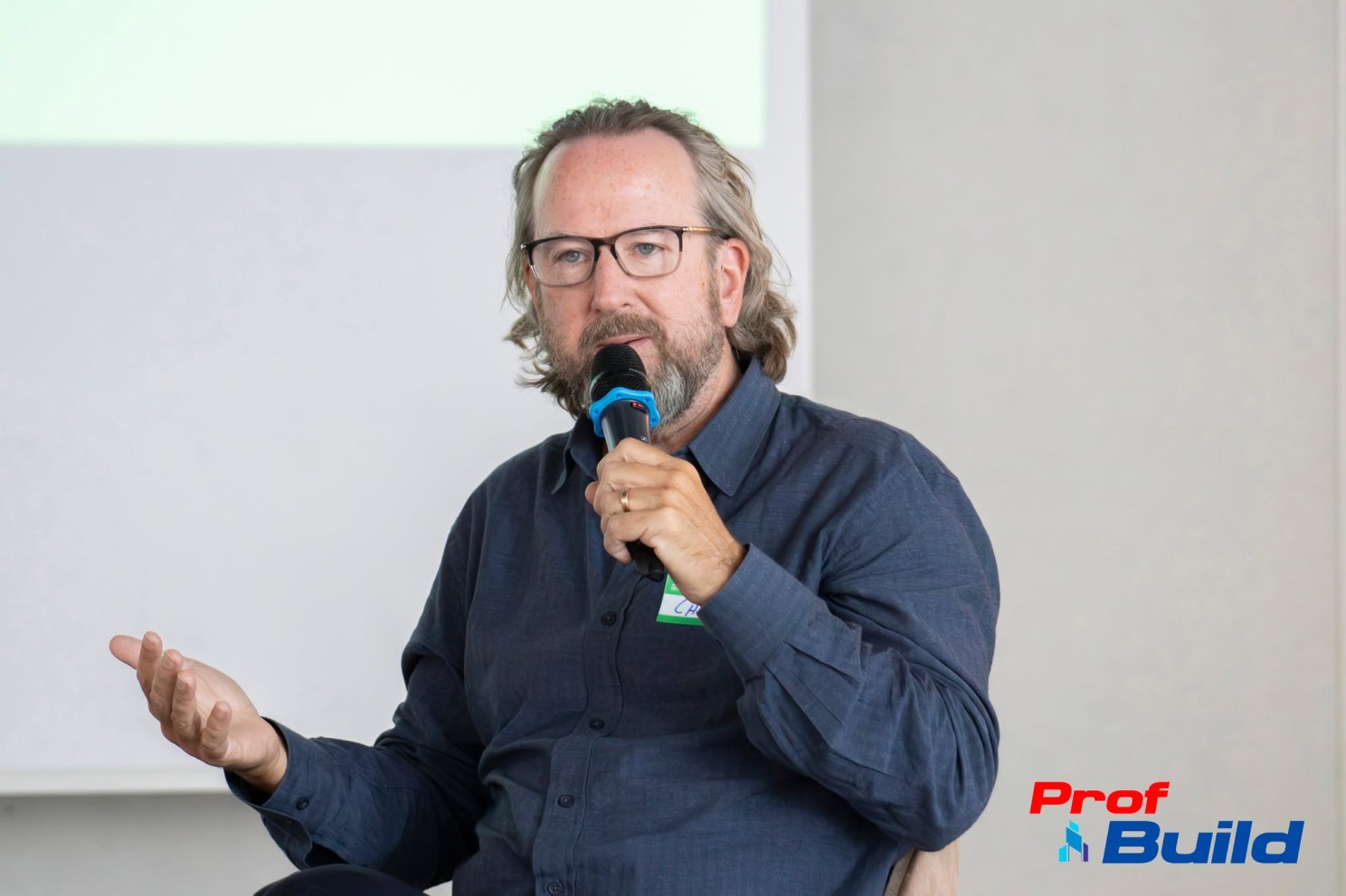
He encouraged Ukrainian municipalities to include mechanisms within their agreements allowing neighbouring communities to benefit from proven methodologies, project models and successful practices, creating a multiplying effect for regional development.
From Hackathons to International Consortiums
Kateryna Kukharenko, Grant Coordinator of Rebuild Green, presented the programme’s acceleration model, explaining how Hackathon projects continue developing into international consortiums capable of attracting grants, investors and implementation partners.
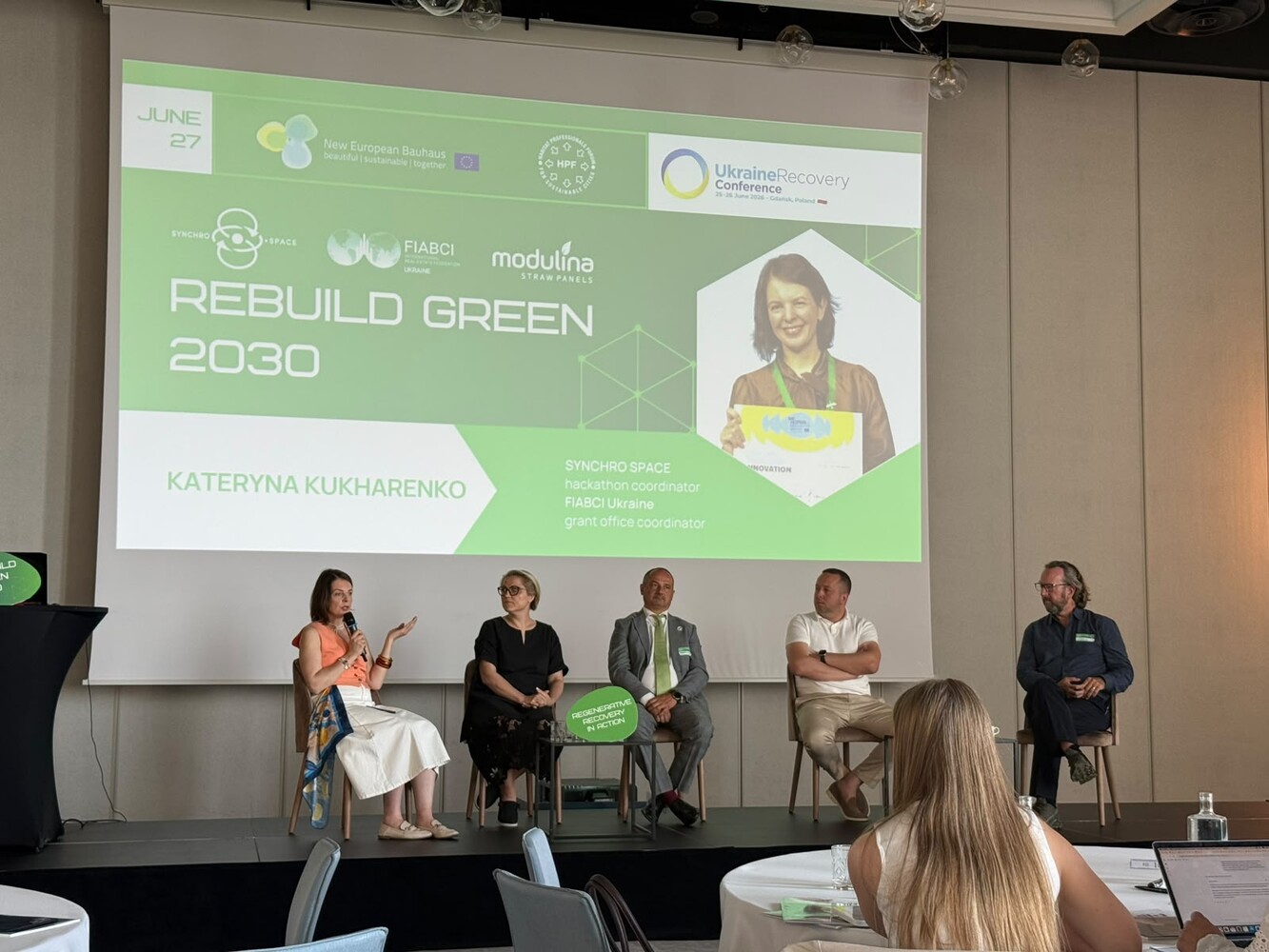
She shared the team’s continuous work in monitoring international funding opportunities and supporting communities throughout the project development process.
Recovering the Future Framework
A defining moment of the event was the presentation of the Recovering the Future Framework by Professor Vincent Goodstadt, Chair of the UN-Habitat Professionals Forum (HPF) Working Group 1 and internationally recognised expert in strategic spatial planning.
The Framework, officially launched by the HPF at the World Urban Forum (WUF13) in Baku, calls for a fundamental shift from “Build Back Better” towards “Recovering the Future”—placing resilience, human rights, strategic spatial planning, regenerative development, and meaningful community participation at the centre of recovery.
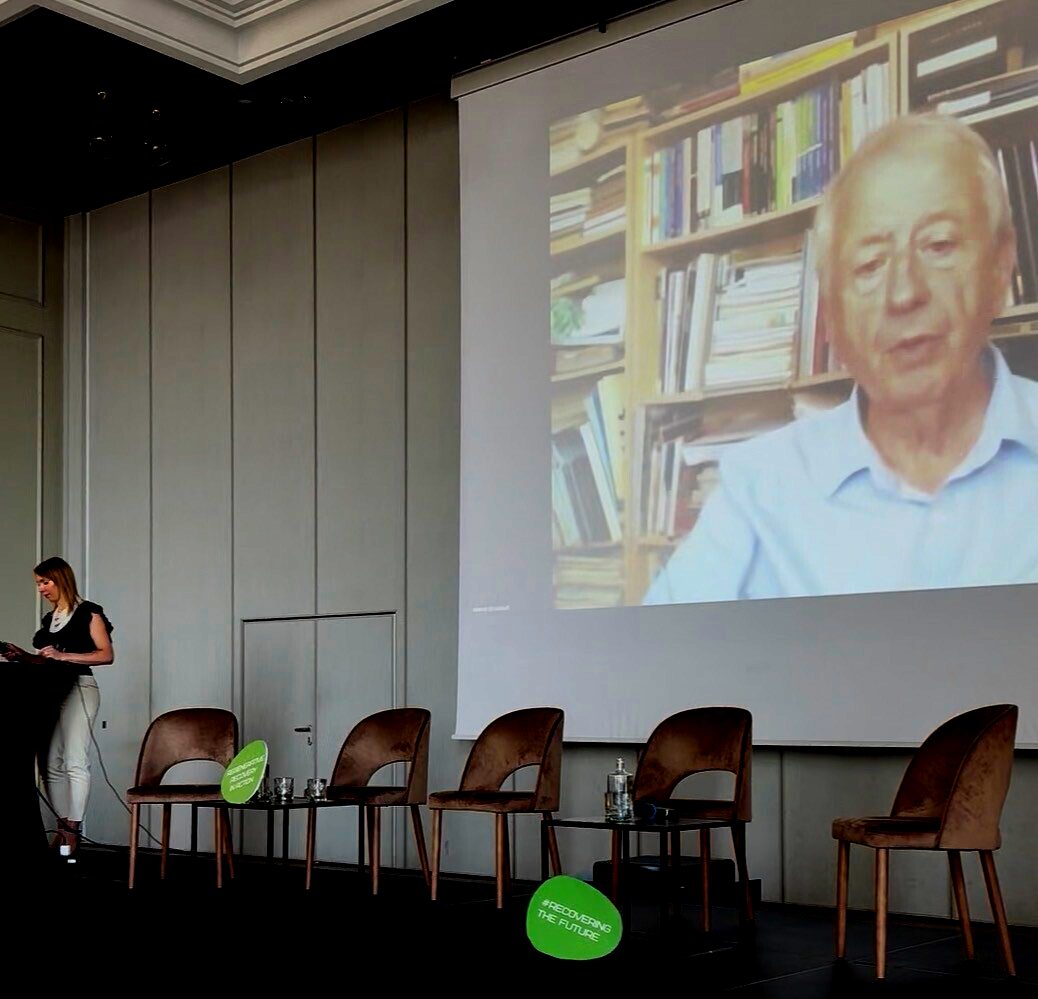
Rebuild Green 2030 was presented within the Framework as one of its implementation case studies and today represents its first practical application on the ground, bringing together municipalities, businesses, investors, academia, international organisations, and implementation partners around real recovery projects.
Building on this foundation, Kateryna Pylypchuk facilitated an interactive foresight workshop involving all participants of the URC official side event Rebuild Green 2030: Recovering the Future. Municipal leaders, international experts, investors, architects, researchers, businesses, and development organisations worked together to apply the Framework’s principles and toolbox to real municipal recovery challenges.
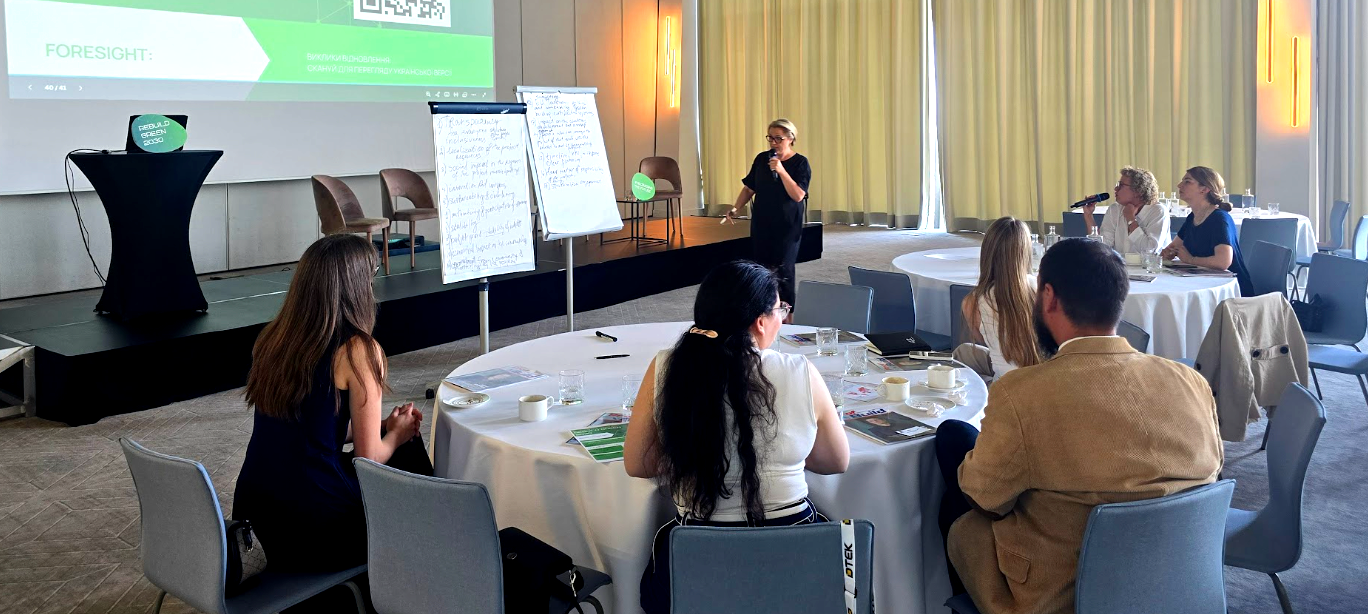
Instead of presenting predefined evaluation criteria, participants co-created a shared framework for assessing regenerative recovery projects. The criteria presented below capture the collective priorities identified during the workshop and reflect a practical interpretation of the Recovering the Future Framework for future implementation.
Project Evaluation Criteria
- Transparency for everyone and inclusiveness.
- Localization of the project resources.
- Social impact on the region of the project municipality.
- Innovation and uniqueness, fresh proposals.
- Sustainability and circularity.
- Authenticity and participation of community in project development.
- Scalability.
- Budget proof – stability of budget.
- Economical impact on the community.
- Commitment from community and prioritizing of the project.
- Targeting the EU Taxonomy rules and international certification requirements in green building, project bankability.
- Impact on the country development and recovery.
- Team of people who can manage the project of that scale, with the record of the realized green building projects.
- Timeline, KPI, milestones, clear planning.
- Clear matrix of responsibility of the project.
- Stakeholder engagement.
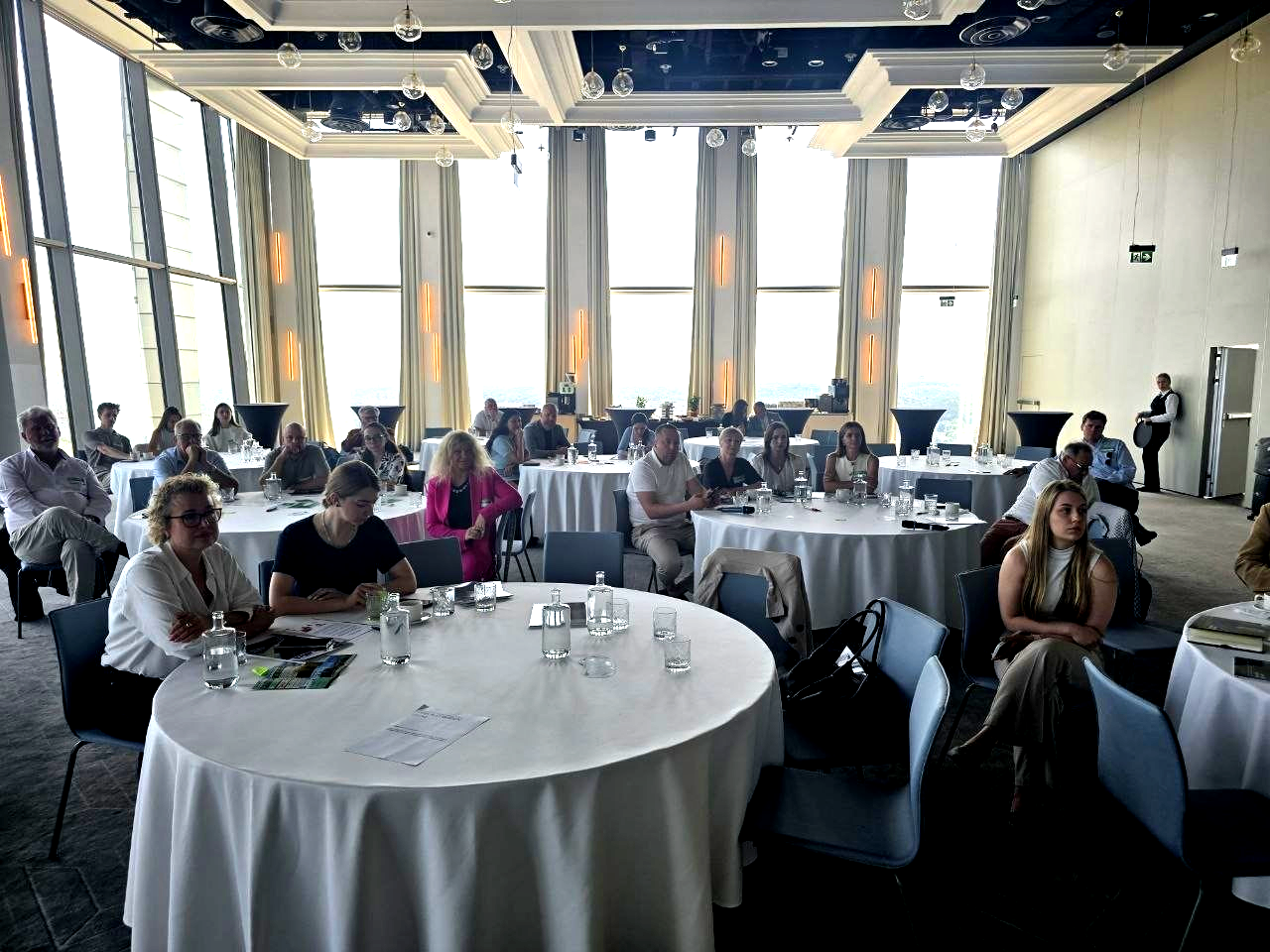
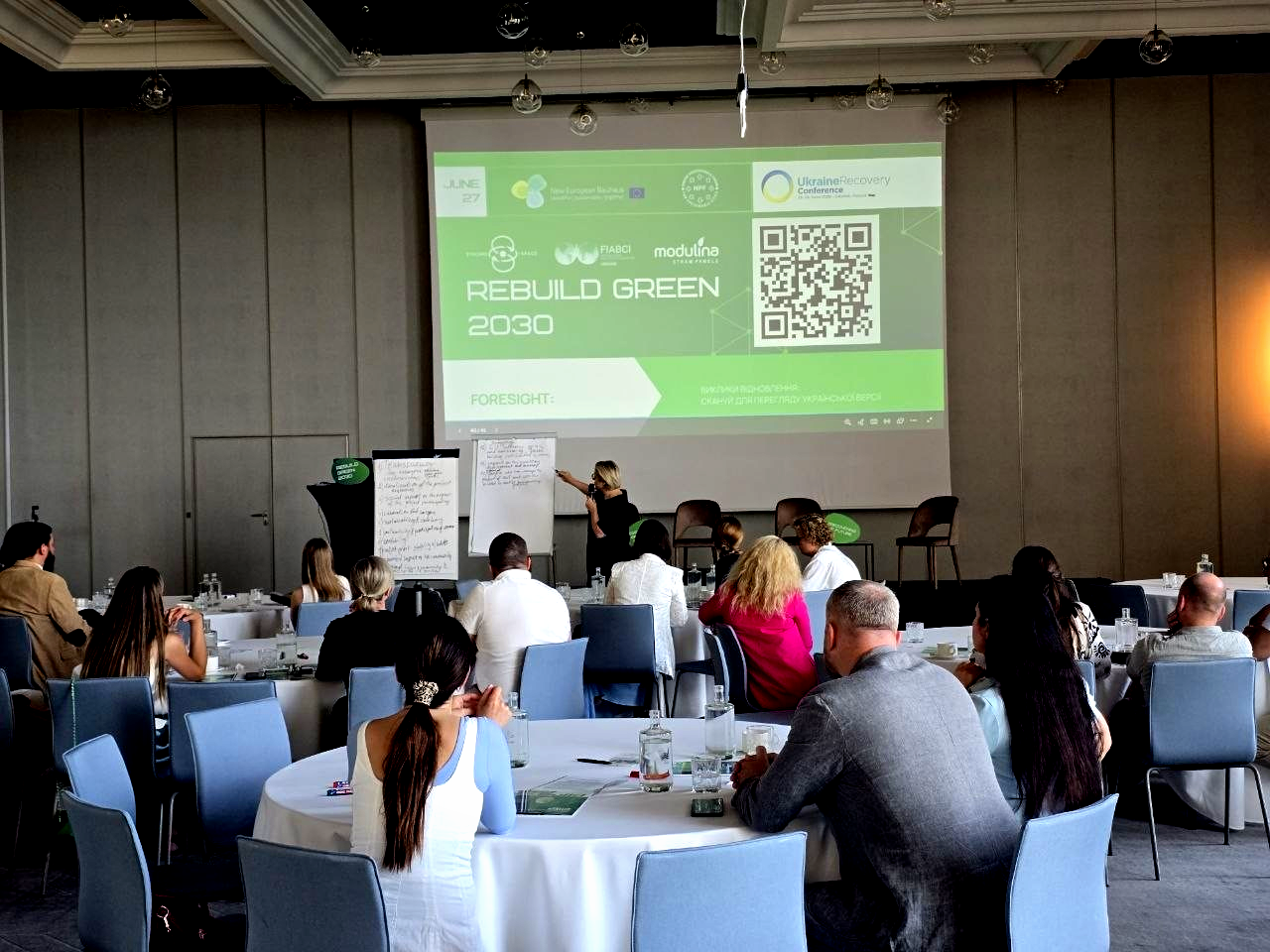
One of the valuable outcomes of the foresight workshop was that participants naturally translated the principles of the Recovering the Future Framework into a practical set of evaluation criteria for future recovery projects.
These collectively developed principles will guide the evaluation of future Rebuild Green projects and support municipalities participating in the next programme cycle.
Listening to Ukrainian Communities
To ensure that international expertise directly responds to real local needs, participants were introduced to challenges submitted by Ukrainian municipalities, including Bucha, Boiarka, Zhytomyr, Teofipol, Konotop, Lviv, and many other communities that have already applied to participate in the next Rebuild Green Hackathon.
These challenges will become the foundation for international multidisciplinary collaboration during the coming months as teams work alongside municipalities to co-create innovative, implementable and regenerative solutions.
Acknowledgements
The Rebuild Green 2030 team would like to express its sincere gratitude to everyone who contributed to making this side event possible.
We are especially thankful to our FIABCI-Ukraine member
for supporting the programme through a series of published interviews dedicated to the new iteration of Rebuild Green 2030 and for helping bring the initiative to a wider professional audience. We are equally grateful for her outstanding photographic coverage of the event, which beautifully captured its atmosphere, energy and key moments.
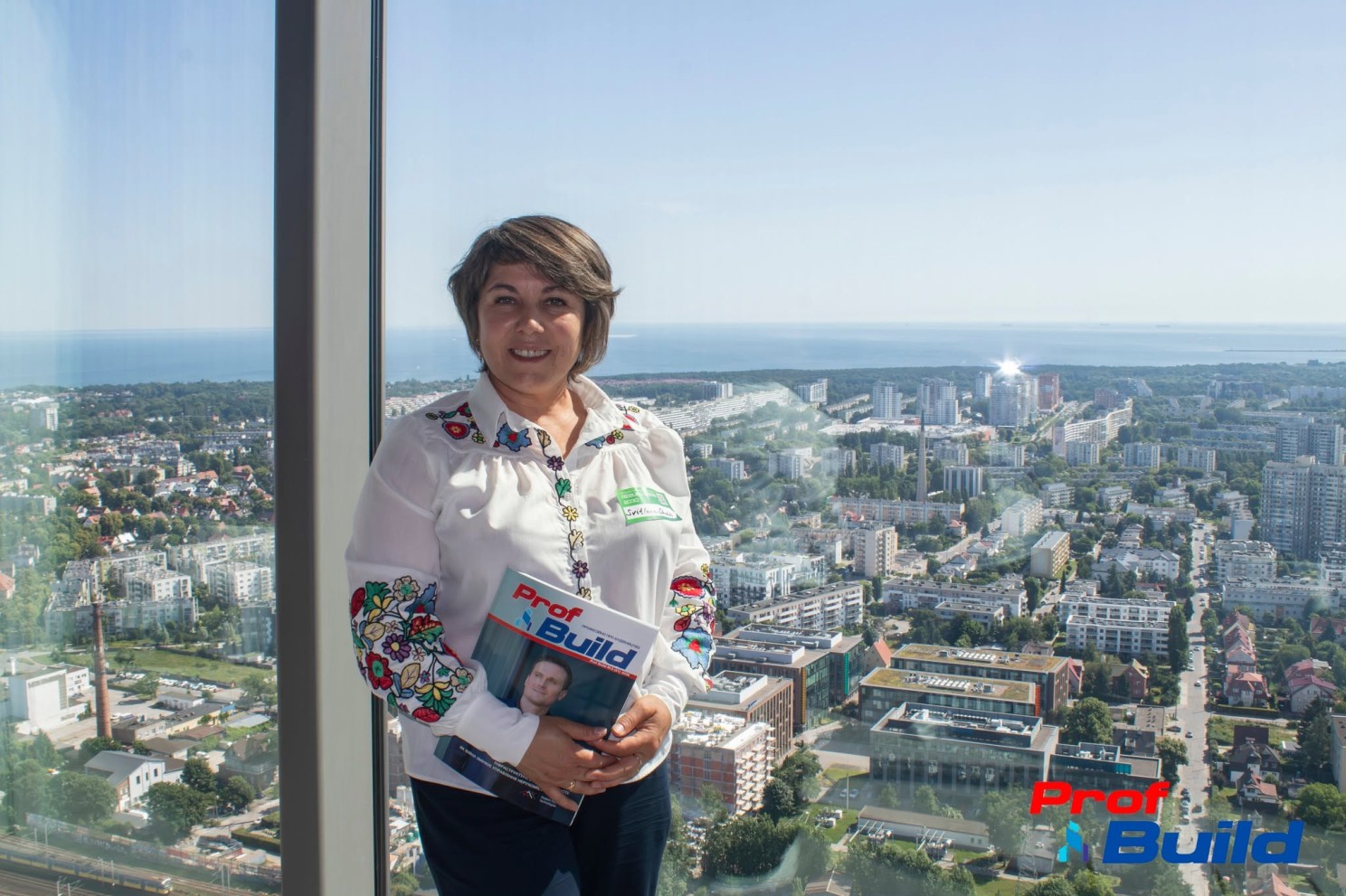
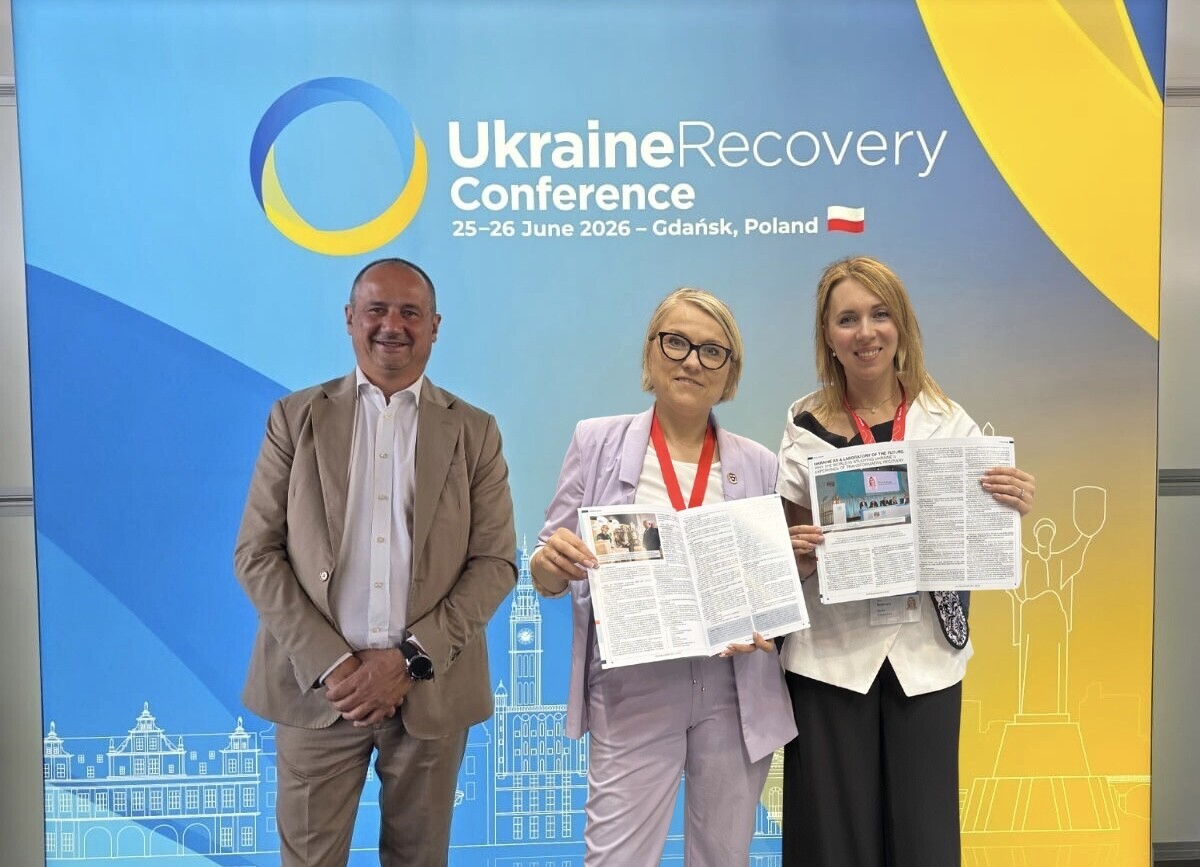
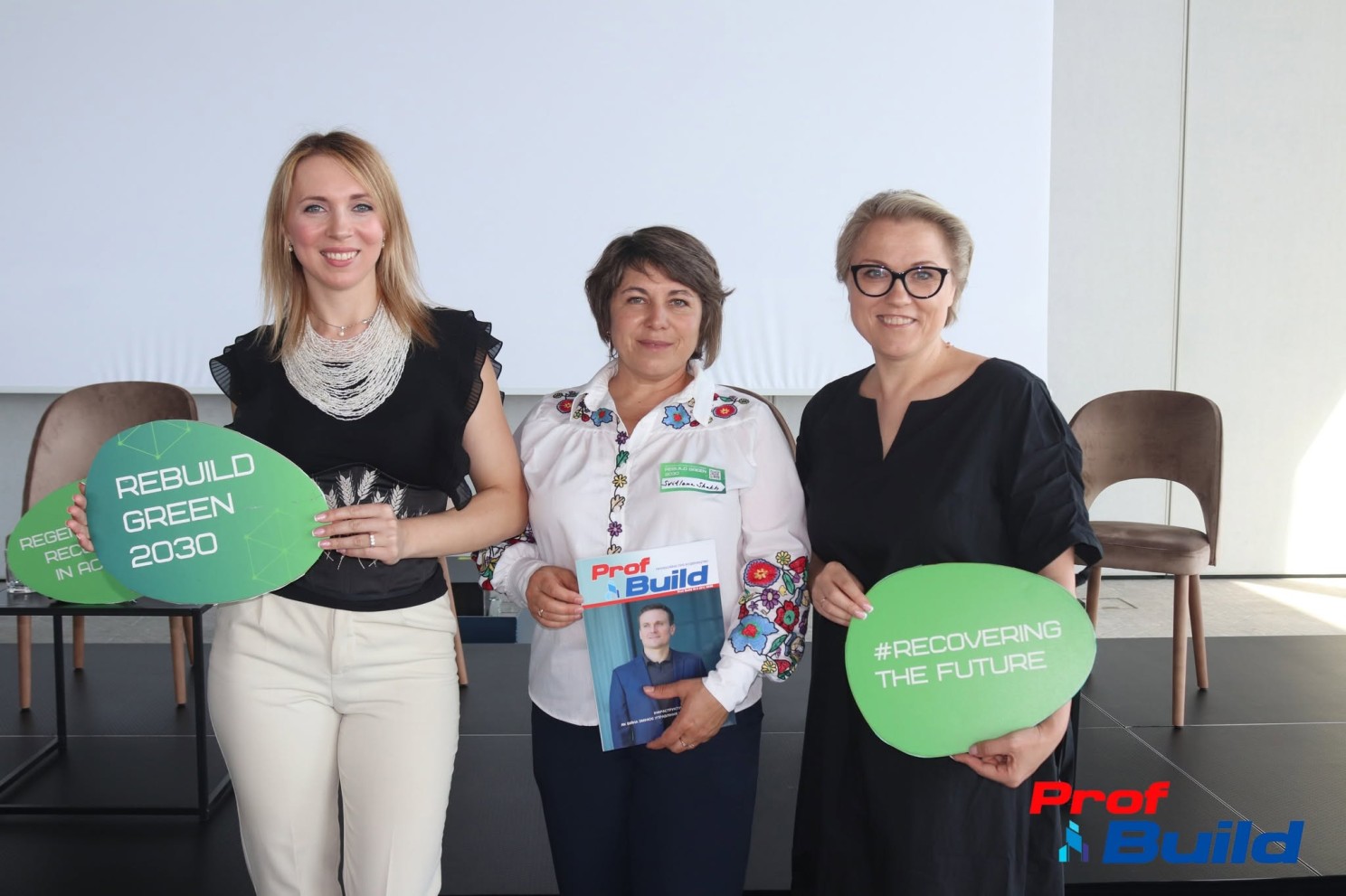
Our sincere appreciation also goes to the greatest event venue in Gdansk – Olivia Star Top.
Recovering the Future Together
The side event brought together long-standing partners who first joined Rebuild Green during last year’s gathering in Rome, alongside many new representatives of municipalities, academia, businesses, financial institutions, international organisations, and development partners.
More importantly, URC2026 officially marked the launch of the second cycle of the Rebuild Green 2030 Programme (2026–2028). The event resulted in new strategic partnerships, signed memorandums of understanding, expanded municipal participation, and the opening of the next phase of collaborative project development.
With the launch of the new cycle, registration is now open for multidisciplinary teams and individual professionals—including architects, engineers, urban planners, designers, researchers, universities, businesses, NGOs, and implementation experts—who wish to contribute their knowledge and expertise to developing practical recovery solutions for Ukrainian municipalities through the Rebuild Green Hackathon 2026.
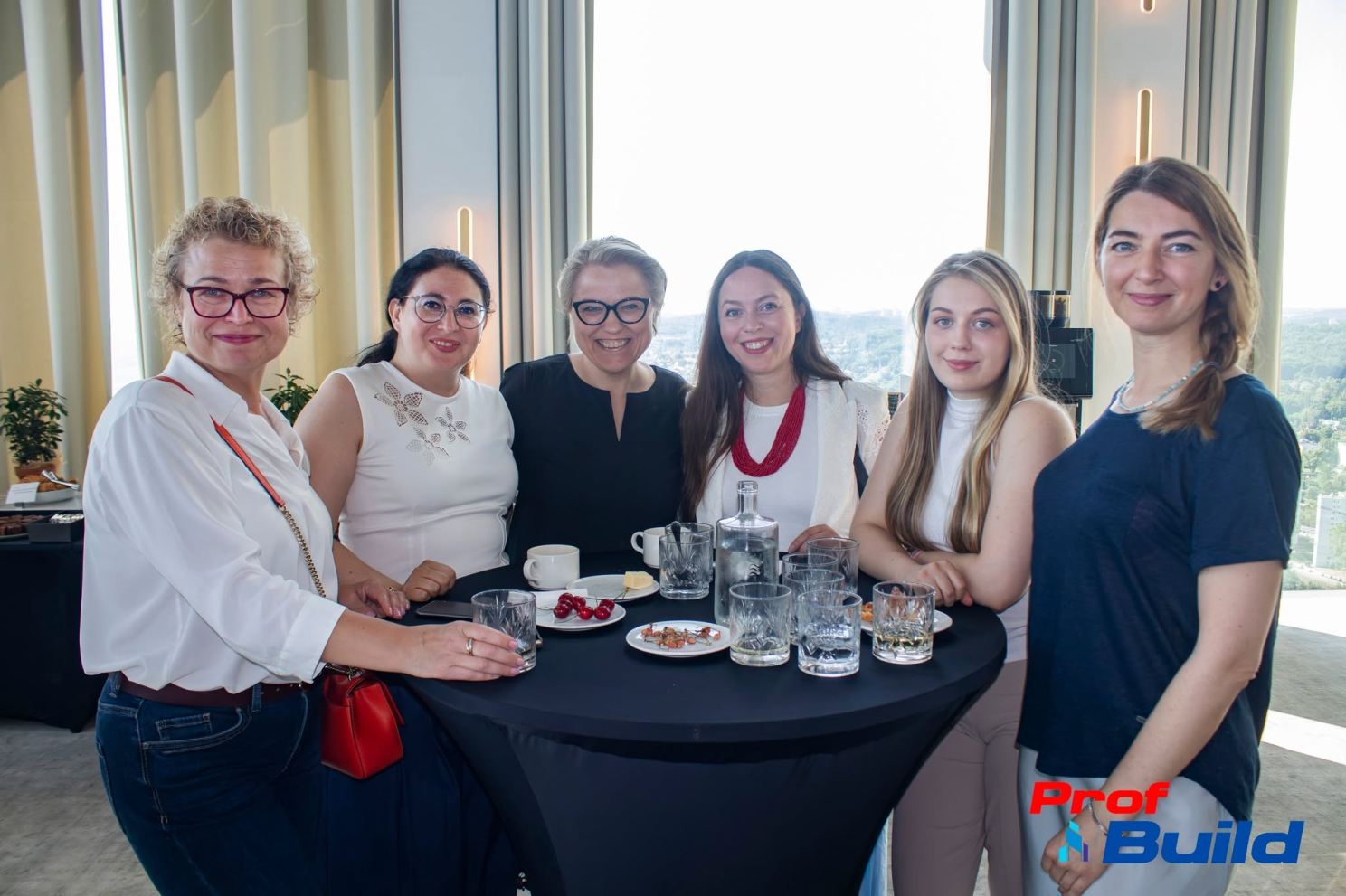
Today, Rebuild Green 2030 is more than a programme or a hackathon. It is a growing international implementation platform where municipalities, governments, businesses, universities, investors, international organisations, and civil society work together to transform recovery challenges into implementable projects, partnerships, and long-term impact.
Together, we are not only rebuilding Ukraine.
Together, we are Recovering the Future.